

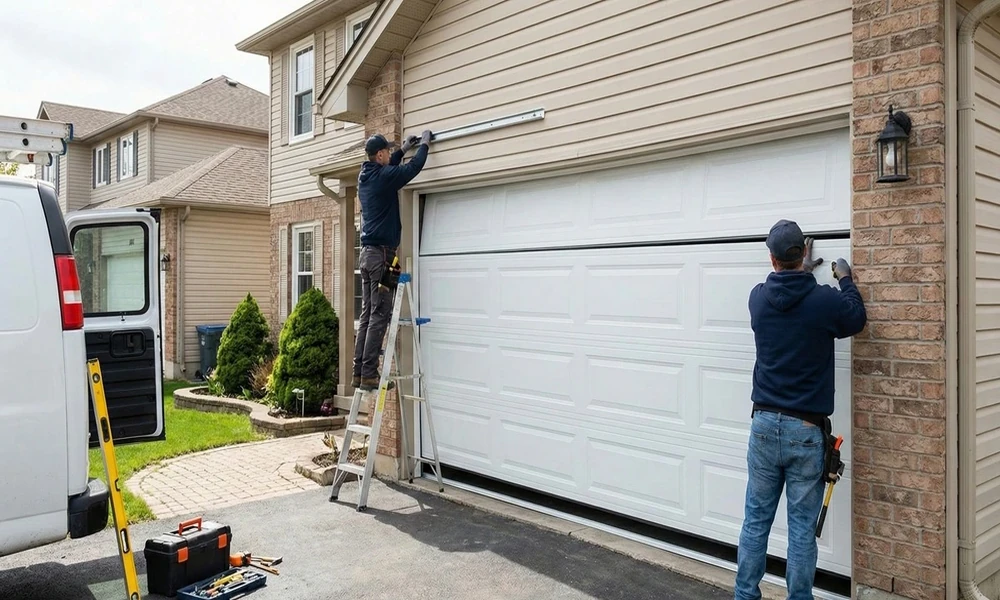
Choosing a garage door might seem as simple as picking a style from a catalog, but the reality is far more intricate. Behind every reliably operating door is a web of design choices, precise measurements, heavy-duty hardware, and safety checks that most homeowners never see, but always depend on.
Choosing the Right Residential Garage Door
A garage door is both a security barrier and a prominent design feature. The first decision, selecting the right door type, sets the stage for everything that follows.
Types of Garage Doors: Steel, Rolling, Impact, and More
Steel panel doors are popular for their strength and low maintenance, while rolling steel doors offer compact operation in tight spaces. Impact doors provide extra durability where storms or heavy use are common. Each brings its own balance of security, aesthetics, and cost.
Matching Door Style to Home Architecture and Curb Appeal
The garage door occupies a significant part of most homes’ facades. Choosing a style that complements window designs, rooflines, or exterior colors can lift your home’s curb appeal instantly. Whether it’s classic carriage-house charm or sleek modern symmetry, the right match enhances property value and pride of ownership.
Material Considerations: Durability, Insulation, and Maintenance
Steel resists dents and rust but can be heavy. Aluminum is lightweight but less robust. Wood offers unmatched visual warmth but demands regular sealing and painting. Insulated doors are essential where winters are harsh or temperature control is a priority in attached garages.
Budgeting: Balancing Cost with Features and Longevity
Garage door installations range widely in cost. A simple single-door project might be under $500 in materials, but specialty doors or double-door setups can climb over $2,000. Invest in key features that fit your climate and lifestyle.
| Door Material | Average Cost* | Durability | Maintenance |
|—————|————–|————|————-|
| Steel | $400-$1,200 | High | Low |
| Aluminum | $500-$1,500 | Moderate | Low |
| Wood | $800-$2,800 | Moderate | High |
| Composite | $600-$2,000 | High | Low |
*Cost ranges based on standard single- or double-car doors, not including labor.
Essential Tools and Preparations for Installation
Before a single bracket is fastened, the right preparation is key. Professional installers arrive with power drills, wrenches, levels, and safety harnesses, a far cry from the average DIY toolkit.
Must-Have Tools for Garage Door Installation
– Power drill and screwdrivers
– Adjustable wrenches and socket set
– Measuring tape and level
– Ladder and safety gloves
Safety Equipment and Precautions
Garage door springs are under intense tension. Eye protection, gloves, and caution are basic requirements. One misstep with a torsion spring can lead to severe injury.
Pre-Installation Checklist: Measuring and Clearing the Workspace
Accurate measurements of the door frame, headroom, and side clearance are essential. The workspace must be free of obstructions and debris. A double-check on power supply and opener compatibility avoids mid-installation surprises.
When to Call a Professional vs. DIY
While some handy homeowners attempt installations, the risks and tools required often push this job out of DIY territory. For peace of mind and safety, hiring experts is the smart call for most.
Step-by-Step Garage Door Installation Process
The process begins with disconnecting the current door from the opener, usually by pulling the red emergency release handle. Next, the panels are mounted, followed by the careful alignment and attachment of tracks. Springs are then assembled and connected to the track, with pulleys, torsion rods, and cables following in precise sequence. Each step must be checked for alignment, tightness, and balance.
When tensioning the cables, even a small mistake can cause uneven lifting or hazardous snapping. Professionals complete the installation with thorough testing, adjusting the tracks, springs, and opener until operation is smooth and safe.
Understanding the Complexities and Risks
The interplay of springs, pulleys, and cables is what allows a garage door to feel almost weightless when operated by hand, despite weighing 100 pounds or more. Improper installation can not only damage the door or opener, but also create safety hazards. A poorly set spring may snap or a misaligned track can send the door off course. This is where experience and specialized tools really matter.
Cost Factors and Hiring Professional Help
Labor costs for a standard garage door installation typically average around $1,200, though this varies by region and door type. While DIY may seem cost-effective on paper, the need to purchase or rent specialty tools, and the risk of injury or property damage, often outweigh the potential savings.
For those seeking peace of mind and flawless function, relying on a trusted provider such as Door Doctor garage door installation ensures the work is done safely and up to code.
Maintaining Your Garage Door After Installation
Once the door is in place, periodic inspections are essential. Check cables and springs for wear, lubricate moving parts with a silicone-based spray, and clear tracks of any debris. Catching minor issues early, such as unusual noises or jerky movement, can save on costly repairs down the road. If significant trouble arises, don’t hesitate to schedule professional service, the same expertise that made installation safe and smooth is invaluable for ongoing care.
Setting up a residential garage door is a precise, multi-step process that quietly protects your home every day. The reward for handling it correctly is years of reliable, secure operation, and a reassuring click every time you push the button.
