

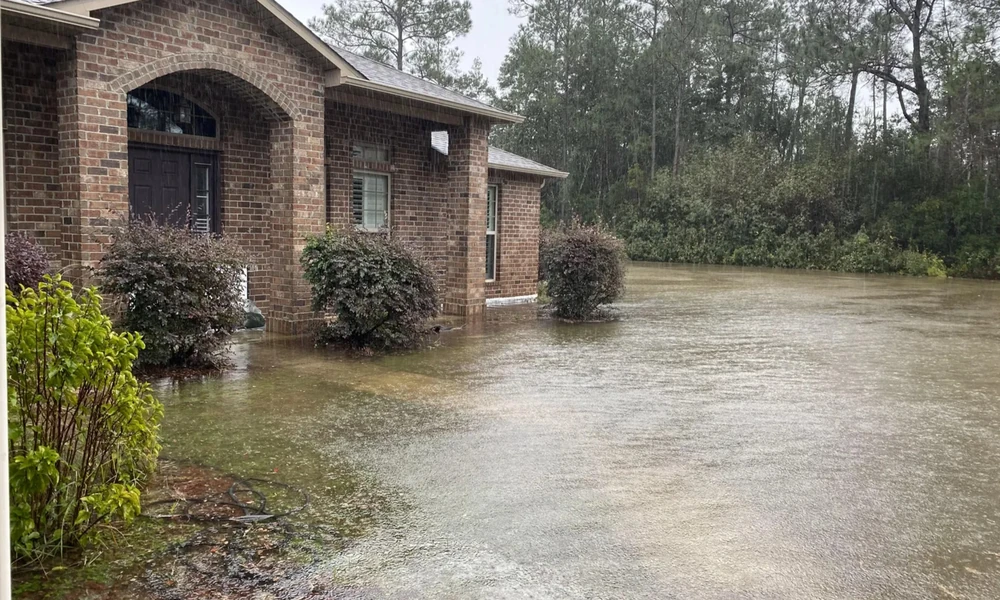
Hurricane season in San Antonio, Texas may not always bring a direct hit from a major hurricane, but tropical storms, heavy rainfall, high winds, and severe weather can still cause widespread power outages. And when the electricity goes out for more than an hour or two, the inconvenience can quickly become a much bigger problem.
A short outage might mean resetting the clocks and waiting for the lights to come back on. A power outage lasting 12, 24, or even 48 hours is a different story. Refrigerators need to stay cold, air conditioning becomes extremely important during a San Antonio summer, garage doors may need to be opened, internet and security systems can stop working, and some households may depend on electrically powered medical equipment.
The best way to prepare is to think about your entire home before the storm arrives-not just how to keep a few lights running.
That means identifying your essential electrical loads, understanding your home’s panel capacity, choosing the right backup power solution, and making sure generators can be connected safely. Homeowners in San Antonio, Texas can trust with Bebee Electric Plus when they need a reliable licensed electrician to help evaluate these needs and develop an electrical plan that makes sense for the property.
Start by Determining Which Circuits Are Essential
One of the most important steps in preparing for a prolonged outage is figuring out what you actually need to keep powered.
It is easy to think about backup power in terms of individual appliances, but a whole-home electrical system is divided into circuits. Your refrigerator, HVAC system, garage door opener, bedrooms, kitchen outlets, security system, and other equipment may all be connected to different circuits.
Make a list of the electrical functions your household considers essential.
For many San Antonio homeowners, that list could include:
- Refrigerator and freezer
- HVAC equipment or selected air-conditioning circuits
- Internet modem and Wi-Fi equipment
- Home security system
- Garage door opener
- Essential lighting
- Medical equipment
- Sump pumps or other necessary pumps, where applicable
- Selected kitchen outlets
- Phone charging stations
- Essential electronics
Then identify the things that can wait until utility power returns. Pool equipment, decorative lighting, electric water heaters, large workshop equipment, and other high-demand loads may not need to operate during an emergency.
This exercise can make generator planning much easier because you can determine how much power you actually need instead of simply choosing the largest generator available.
Protecting Your Refrigerator and Freezer
Food preservation is one of the first concerns during an extended power outage.
A refrigerator does not need to run continuously to keep food cold, but it does need reliable power periodically. A freezer is particularly important because maintaining a sufficiently low temperature helps protect frozen food for longer.
A properly planned backup electrical system can keep these appliances operational without forcing homeowners to rely on extension cords running throughout the house.
If your refrigerator and freezer are on separate circuits, your electrician can determine how those circuits should be handled by the backup power system. Depending on your setup, it may make sense to include both on a generator-backed electrical panel or transfer system.
It is also worth remembering that modern refrigerators contain sensitive electronic controls. Surge protection is useful not only during normal utility operation but also when power is being restored after an outage.
Don’t Forget About HVAC During Extreme San Antonio Heat
For San Antonio homeowners, air conditioning deserves special attention.
Losing power during mild weather is inconvenient. Losing power during a stretch of extreme summer heat can become a serious comfort and safety concern, particularly for older adults, young children, pets, or anyone who has difficulty tolerating high temperatures.
The challenge is that HVAC equipment can require substantially more power than smaller household appliances.
A central air conditioner or heat pump may have a large startup demand in addition to its normal operating load. If a generator is not properly sized for the home’s HVAC equipment, it may struggle when the system attempts to start.
This is one reason generator sizing should be based on the home’s actual electrical requirements rather than a rough guess.
An electrician can evaluate your HVAC equipment, determine its electrical demands, and help establish whether it should be included in a backup power plan. In some situations, homeowners may choose to power a portion of the HVAC system rather than attempting to run every major electrical load simultaneously.
Garage Door Openers Are Easy to Overlook
A garage door opener probably isn’t the first thing homeowners think about when planning for a hurricane-related outage.
But imagine coming home during an outage and discovering that your garage door won’t open.
Electric garage door openers obviously cannot operate normally without power. Some systems have battery backups, while others do not. Homeowners should know how their particular opener works and understand the manual release procedure.
If you want the garage door opener included in your backup power plan, it should be considered when identifying essential circuits.
Keeping the garage operational can also be particularly useful if the garage houses vehicles, emergency supplies, tools, or other equipment you may need during a prolonged outage.
Keep Your Internet and Home Security Running
A power outage doesn’t necessarily mean your internet service is down. Your internet provider may still be operating normally, but your modem, router, network equipment, or other devices inside your home won’t work without electricity.
For many families, maintaining internet access during an emergency is more than a convenience. It provides access to weather alerts, emergency information, communication tools, work systems, and entertainment when everyone is stuck at home.
Home security equipment deserves similar consideration.
Security cameras, alarm systems, smart locks, and other connected devices may depend on household electricity. If these systems are important to you, determine which circuits or outlets supply them and consider including those loads in your backup power strategy.
A small amount of generator capacity can go a long way when it is directed toward the equipment your family actually depends on.
Medical Equipment Requires Extra Planning
Some households cannot afford to treat an extended outage as simply an inconvenience.
Medical equipment such as oxygen concentrators, CPAP machines, mobility equipment, medication refrigeration systems, and other electrically powered devices may need to remain operational during an outage.
If someone in your household depends on electrical medical equipment, identify its power requirements before hurricane season.
Don’t assume that any generator will automatically provide suitable power. The equipment’s electrical specifications, required runtime, startup demands, and backup strategy should all be considered.
It can also be wise to have more than one backup option where appropriate. A generator may be the primary source, while a battery backup or other temporary solution can provide additional protection during generator startup, refueling, maintenance, or unexpected problems.
For medically important equipment, homeowners should work with both their healthcare provider and a qualified electrician to develop an appropriate emergency power plan.
Choosing the Right Standby Generator Size
A standby generator can be an excellent solution for homeowners who want automatic backup power.
Unlike a portable generator that typically has to be positioned and connected manually, a permanently installed standby generator can automatically detect a utility outage and begin supplying backup power through a properly installed transfer system.
The biggest question is usually: How large does the generator need to be?
There is no universal answer.
Generator sizing depends on the home’s electrical loads, the appliances and systems you want to operate, HVAC requirements, starting loads, and whether you want partial-home or whole-home backup.
A smaller generator may be perfectly adequate if the goal is to keep essential circuits operating. A larger system may be necessary if you want to operate multiple high-demand appliances at the same time.
Oversizing isn’t necessarily the best solution either. A properly designed system should match the home’s needs rather than simply choosing the biggest generator that fits the budget.
Portable Generators Need the Right Connection
Portable generators can provide valuable backup power, but connecting one to a home’s electrical system requires careful attention.
One of the most dangerous mistakes homeowners can make is attempting to power a house by plugging a portable generator into a standard household outlet. This practice, sometimes called backfeeding, can create serious electrical hazards and potentially send electricity back onto utility lines.
A properly installed generator inlet, transfer switch, or other approved connection method can provide a much safer approach.
The exact equipment required depends on the home’s electrical system and the generator being used. A licensed electrician can determine the appropriate configuration and install it correctly.
Portable generators also need to be operated outdoors in a properly ventilated location because of carbon monoxide hazards. They should never be operated inside a garage, enclosed patio, shed, or other enclosed area.
Check Your Electrical Panel Capacity
Generator installation is also an opportunity to look at the home’s electrical panel.
Older homes or homes that have accumulated electrical upgrades over the years may have panels that are not ideally suited to today’s electrical demands.
Think about everything that may have been added since the original electrical system was installed:
- Central air conditioning
- Electric vehicle chargers
- Additional refrigerators or freezers
- Pool equipment
- Outdoor kitchens
- Home offices
- Workshops
- Electric water heaters
- Large appliances
- Backup power systems
A generator installation doesn’t automatically mean the panel needs to be upgraded. However, the panel’s condition, capacity, configuration, and available space should be evaluated as part of the planning process.
If the panel is outdated, damaged, overloaded, or otherwise unsuitable, addressing those issues before hurricane season can make the entire backup power system more dependable.
Surge Protection Before and After the Storm
Surge protection is another important piece of hurricane-season electrical preparation.
Storms can create unstable electrical conditions, and power can also surge when utility service is restored. Sensitive electronics and appliances can be damaged by voltage spikes.
A whole-home surge protective device installed at the electrical panel can provide another layer of protection for equipment throughout the home.
This can be particularly valuable when your household contains expensive electronics, smart-home equipment, HVAC controls, appliances, computers, or other sensitive devices.
Surge protection should be considered before the storm, but homeowners should also think about what happens afterward.
If a storm causes electrical damage to the home, don’t immediately assume everything is safe just because the utility power has returned. Burn marks, unusual smells, buzzing, damaged outlets, flickering lights, tripped breakers, or other abnormalities should be taken seriously.
An electrical inspection after significant storm damage can help identify problems before they turn into larger hazards.
Should a Handy Homeowner Handle These Projects as DIY?
There are certainly hurricane preparations that homeowners can handle themselves.
Testing flashlights, charging battery banks, making an emergency supply list, learning how to manually open a garage door, and identifying important appliances are all reasonable DIY tasks.
Electrical installation work is different.
Installing a standby generator, connecting a portable generator to a home’s electrical system, modifying an electrical panel, installing transfer equipment, adding circuits, or installing certain types of surge protection involves working with the home’s electrical infrastructure.
These aren’t good projects to experiment with simply because you’re comfortable doing basic household repairs.
Texas has specific requirements governing electrical work, and homeowners should verify applicable local permitting and licensing requirements before beginning electrical installation work. More importantly, incorrect electrical work can create shock, fire, equipment-damage, and backfeeding hazards.
If you’re a handy homeowner, that doesn’t mean you have to stay completely out of the process. You can identify your essential loads, gather appliance information, inspect your emergency supplies, and discuss your goals with an electrician.
The actual electrical installation and modifications should generally be left to qualified, licensed professionals who understand the local requirements and can verify that the system is installed safely.
Prepare Before the Storm Is in the Forecast
The worst time to start planning your home’s backup power system is when a hurricane or tropical storm is already approaching.
Generators, electrical equipment, and professional installation services can become much harder to schedule when severe weather is imminent. Taking care of the planning during calm weather gives you time to make thoughtful decisions rather than rushing into whatever solution happens to be available.
Bebee Electric Plus can help San Antonio-area homeowners evaluate their electrical systems and think through the practical side of backup power. The goal isn’t necessarily to keep every electrical device in the house running indefinitely. Instead, it is to make sure the circuits that matter most are supported when utility power is unavailable.
Build a Whole-Home Outage Plan
Preparing a San Antonio home for an extended hurricane-season outage is about much more than buying a generator.
Start by asking what your household actually needs to function comfortably and safely for several hours or several days without utility power.
Can you keep your refrigerator and freezer cold? Can you maintain reasonable indoor temperatures? Can someone access the garage? Will your internet and security equipment continue operating? What happens if someone relies on medical equipment? Does your electrical panel have the capacity and configuration needed for your backup system? Is there a safe way to connect a portable generator? Is your home protected from damaging surges?
Once you’ve answered those questions, you can build a backup power strategy around your home’s actual needs.
For some Texas homeowners, that may mean a properly connected portable generator. For others, a standby generator with automatic transfer equipment may make more sense. Some homes may also benefit from panel improvements, dedicated circuits, load management, or whole-home surge protection.
The important thing is to make those decisions before the lights go out.
With thoughtful planning and help from Bebee Electric Plus, San Antonio homeowners can be better prepared to keep the most important parts of their homes operating when severe weather knocks out utility power. A reliable backup power system isn’t about making an outage disappear-it’s about making an extended outage considerably easier, safer, and more manageable for everyone in the household.
