

Most people only think about their water heater on the morning it stops working. The shower runs cold, there’s a puddle by the closet door, and suddenly you have to pick a replacement under pressure. That’s the worst time to decide, because you end up choosing whatever can be installed fastest instead of what suits your home.
Desert homes add their own complications. Hard water leaves mineral sediment at the bottom of storage tanks. Garages that hold a water heater can get very hot in summer. Long cooling seasons also mean household energy bills are already high before hot water is counted. All of this shortens a heater’s life and raises the stakes of the next choice.
For homeowners getting ready for Palm Dessert water heater replacement, it helps to know that local plumbers like applejplumbingca.com handle water heater repair and replacement along with water filtration, which matters in areas where mineral content is a big part of why tanks wear out. Planning ahead lets you compare options calmly, budget for the change, and avoid an emergency installation.
How Long a Water Heater Really Lasts
A traditional tank heater usually lasts eight to twelve years. Tankless units often last fifteen years or more with regular care. In hard water areas, both can fall short of those numbers. Sediment builds up on the bottom of the tank, insulates the water from the burner or element, and makes the unit work harder. Over time, that extra strain cracks linings and wears out parts.
The manufacture date is usually printed on the label or coded into the serial number. If your heater is close to ten years old, it’s worth planning a replacement now, even if it still works. Older tanks don’t always give much warning before they fail.
Signals That the Countdown Has Started
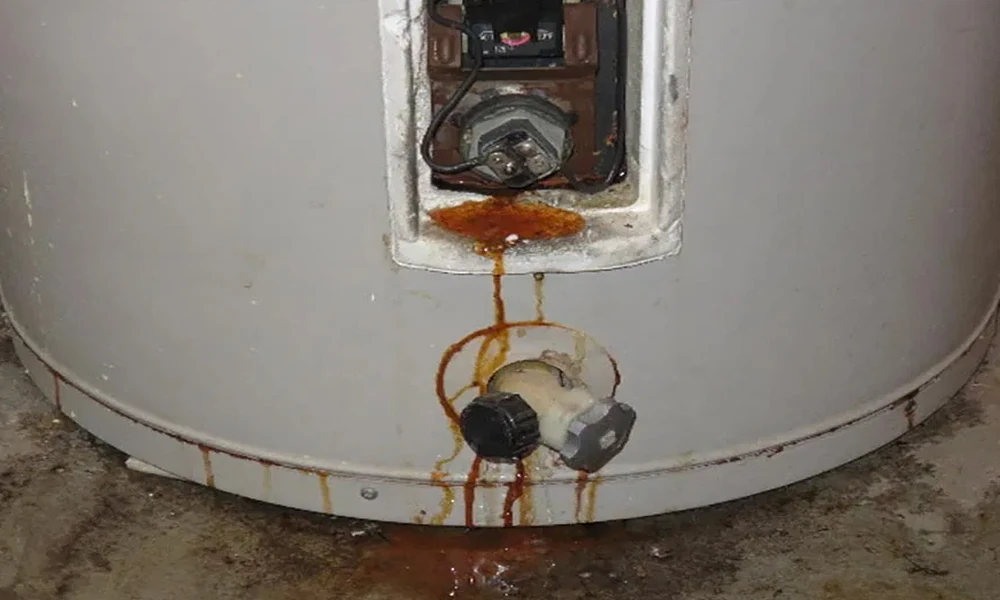
Some signs are easy to miss. Rumbling or popping sounds while the heater runs usually mean sediment is boiling under a layer of minerals. Rusty or cloudy hot water can point to corrosion inside the tank. If hot water runs out faster than it used to, sediment may be taking up space that should hold water.
Moisture around the base is the most urgent sign. A small drip from a fitting can be fixed. Water seeping from the tank itself usually means the inner lining has failed, and no repair will hold for long.
The Three Main Paths Forward
When it’s time to replace the heater, most homes end up choosing among three types. Each has real advantages, and the best one depends on your space, how much hot water you use, and your budget.
Conventional storage tanks are the familiar choice. They cost the least up front, installers know them well, and swapping one tank for another rarely needs major changes to plumbing or venting. The downside is standby heat loss: the tank keeps reheating water whether anyone uses it or not.
Tankless units heat water only when you need it. They take up very little space and never run out of hot water during back-to-back showers. They do cost more to install, especially when you’re switching from a tank, because gas lines, venting and electrical service may need upgrades. In hard water regions, they also need regular descaling to keep the heat exchanger working well.
Heat pump water heaters work like a refrigerator in reverse, pulling heat from the surrounding air and moving it into the water. The ENERGY STAR program calls certified heat pump models the most efficient water heaters currently on the market. Warm climates are well suited to this technology because the units work best in warm spaces. A hot garage, which is a problem for many appliances, can actually help a heat pump heater.
What Actually Happens on Installation Day
Knowing the steps makes it easier to judge quotes and ask useful questions. A standard replacement usually goes in this order:
- The power or gas supply is shut off and the old tank is drained completely.
- Water lines, venting and fuel connections are disconnected and the old unit is removed.
- The new heater is set in place, often on a pan or stand that meets local code.
- Connections are made, along with a new temperature and pressure relief valve and an expansion tank if the system needs one.
- The tank is filled, purged of air, and powered up, and the installer checks for leaks and correct operation.
A simple tank swap often takes only a few hours. Switching to a different type of heater can take a full day or longer, depending on what has to change. In most areas, permits are required for water heater replacement, and a professional installer will usually handle that paperwork.
Sizing Matters More Than Most People Expect
A heater that’s too small leaves the last person in line with a cold shower. One that’s too big wastes energy keeping extra water hot. For tanks, look at the first hour rating, which shows how much hot water the unit can deliver in one busy hour, not just the tank size. For tankless units, flow rate and temperature rise are what count.
Think about how your household actually uses hot water. A couple who showers at different times needs much less capacity than a family of five getting ready on the same schedule. Future plans matter too. A new bathroom, a soaking tub or more people in the house can change the right size quickly.
Protecting the New Heater From Day One
The habits that make a new heater last are simple. Flushing a tank every year clears out sediment before it hardens. Checking the anode rod every few years, and replacing it when it’s worn, protects the tank lining from corrosion. In very hard water, a softener or whole home filtration system can add years to almost any type of water heater.
Setting the temperature around 120 degrees Fahrenheit is a practical choice for most households. It lowers the risk of scalding, cuts energy use, and slows mineral buildup, since hotter water drops more scale. Heat pump owners can browse certified models and their operating modes through the ENERGY STAR heat pump water heater guide to understand settings that balance comfort and efficiency.
Replacing a water heater doesn’t have to be a crisis. If you watch the age of your current unit, notice the early warning signs and learn the options ahead of time, you can treat the next one as a planned upgrade. That way you can pick the best fit for your home before the cold shower forces a rushed decision.
