

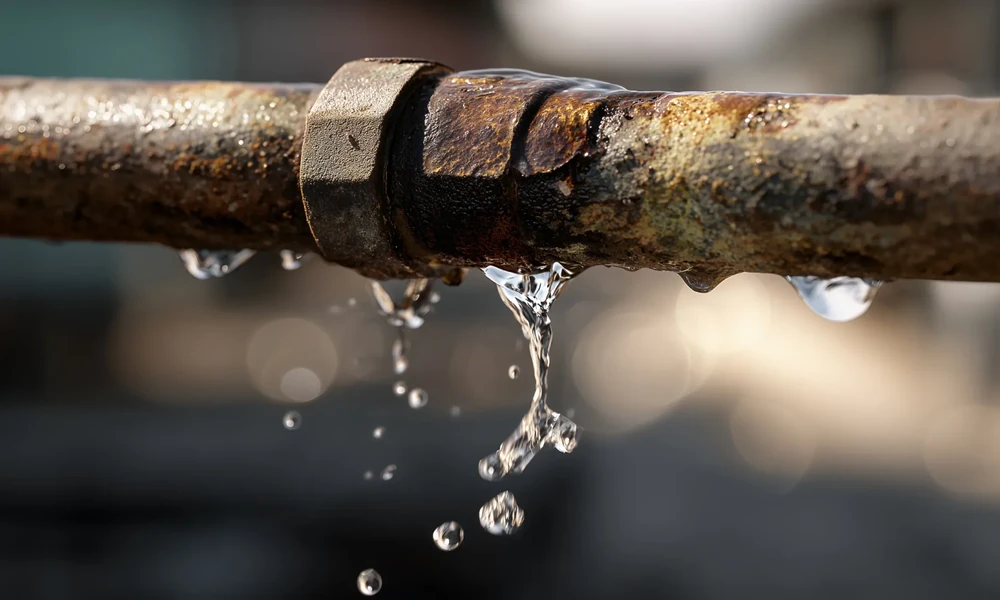
Urban infrastructure in Southern California operates under a unique set of subterranean pressures. Beneath manicured lawns, concrete driveways, and historic residential structures lies an extensive network of utility lines subject to constant soil shifts, seismic micro-vibrations, and relentless root intrusion. While surface fixtures like faucets and water heaters receive immediate attention when they show wear, the underlying drainage network often degrades silently for years before manifesting obvious signs of failure. Understanding how residential wastewater systems function, what causes their structural decline, and how modern non-invasive technologies can restore them is essential for long-term property protection.
The first indications of underground line deterioration are rarely dramatic. A bathtub may drain slightly slower than usual, or a toilet might gurgle when an adjacent washing machine completes its discharge cycle. By the time these minor inconveniences escalate into persistent backups or unpleasant odors near the yard, the main lateral pipe beneath the building has usually suffered from structural stress or organic obstruction for months. In such scenarios, consulting a qualified Los Angeles plumber becomes necessary to perform a comprehensive diagnostic check and identify whether the obstruction stems from localized debris or a compromised main lateral.
Early intervention does more than prevent immediate indoor flooding; it safeguards critical structural elements like foundations, slab floors, and surrounding hardscaping. When waste lines leak beneath a building, escaped water can saturate foundation soil, causing subtle shifts that lead to hairline cracks in slabs or sunken walkways. Identifying pipe distress at the onset allows property owners to explore engineered restoration options before emergency excavation becomes the only viable recourse.
Structural Vulnerabilities in Regional Underground Piping
Many residential properties across the region feature original sewer laterals constructed from vitrified clay, cast iron, or fiber conduit materials popular in mid-to-late 20th-century construction. Vitrified clay pipes, while inherently resistant to chemical corrosion, are manufactured in short four-to-six-foot sections. Over time, ground settling, vehicle loads on driveways, and minor seismic events cause these joints to shift, creating tiny seams. Thirsty tree roots naturally seek out the moisture and nutrients escaping through these openings, extending fine tendrils into the pipe that gradually swell into dense root masses.
Furthermore, property owners are frequently unaware of where their legal maintenance responsibility begins and ends. As outlined by Los Angeles County Public Works, the homeowner is responsible for maintaining and repairing the private lateral pipe along its entire length, from the building’s exterior wall all the way to its connection at the municipal main line-including the section running beneath public sidewalks and streets. Recognizing this full scope of ownership reinforces the importance of routine maintenance and proactive evaluation.
Subtle Indicators of Sewer Lateral Failure
Pipes seldom fail completely without providing warning signals. Recognizing these early signs prevents unexpected wastewater overflows into living areas:
- Multi-Fixture Sluggishness: When multiple drains across different rooms slow down simultaneously, the restriction is almost certainly located in the main lateral rather than individual branch traps.
- Acoustic Disturbance (Gurgling): Air trapped behind an underground blockage is forced upward through fixture traps as water flows down, creating audible gurgling in toilets or shower drains.
- Localized Sewer Gas Odors: Cracks or displaced joints allow sewer gases to migrate through soil and escape near cleanouts, crawl spaces, or outdoor foundation walls.
- Soggy or Overly Green Lawn Patches: Wastewater leaking underground acts as an unintended fertilizer, causing specific patches of grass or landscaping to appear unusually lush or damp during dry weather.
- Unexplained Water Loss or Meter Activity: Unobserved subterranean leaks waste thousands of gallons annually. Data published by the EPA WaterSense program notes that minor undetected leaks across residential properties can waste immense quantities of water, underlining the value of periodic isolation tests.
Diagnostic Precision Through Video Inspection
Historical methods for diagnosing buried pipe failures relied heavily on guesswork and indiscriminate digging. Modern plumbing diagnostics rely on high-resolution, waterproof video cameras mounted on flexible push cables. Inserted through an accessible cleanout point, the camera travels the full length of the lateral, transmitting real-time visual information to an above-ground monitor. A radio transmitter located in the camera head allows technicians to pin point the exact location and depth of pipeline defects from the surface.
A complete video diagnostic identifies distinct types of structural compromise:
- Root Intrusion: Determining whether roots have merely penetrated joints or fully filled the pipe interior.
- Offset Joints and Separation: Identifying where pipe sections have displaced vertically or horizontally due to ground movement.
- Structural Sags (“Bellies”): Highlighting low points where standing water accumulates and collects solid waste due to loss of proper slope.
- Cracks and Structural Collapses: Distinguishing between superficial wall fracturing and total structural failure.
Before applying any restoration technique, hydro-jetting is frequently utilized. This process uses regulated high-pressure water streams to scour grease, mineral scale, and root mats from the inner pipe walls, restoring full inner diameter and preparing the interior surface for accurate assessment or lining adhesion.
Evaluating Non-Invasive Trenchless Restoration Technologies
When an underground sewer lateral requires structural repair or complete replacement, property owners no longer need to accept massive trench excavation that destroys landscaping, driveways, or hardscaping features. Modern trenchless engineering offers two primary non-invasive methods: Cured-In-Place Pipe (CIPP) lining and Pipe Bursting.
| Restoration Method | Ideal Pipe Condition | Site Disruption Level | Estimated System Lifespan |
|---|---|---|---|
| Cured-In-Place Pipe (CIPP) Lining | Cracked, leaking, or root-intruded pipes that retain structural shape | Minimal (Utilizes existing cleanouts or small insertion pits) | 50+ Years |
| Trenchless Pipe Bursting | Collapsed, severely offset, or undersized pipes | Low (Requires two small access pits at pipe ends) | 50+ Years |
| Traditional Open-Trench Excavation | Severe bellies with major soil grade failure or high utility crowding | High (Requires full continuous trench across property) | Varies by pipe material selected |
Details of CIPP Lining
CIPP lining creates a brand-new, seamless pipe inside the existing deteriorated line. A flexible felt sleeve impregnated with epoxy resin is inserted into the pipe through an existing cleanout access. Once positioned, the liner is inflated with air or water, pressing the resin-soaked material tight against the original pipe wall. Heat or ambient air cures the resin, transforming it into a smooth, jointless structural pipe that resists root entry and chemical erosion for decades. However, because CIPP lining follows the contour of the host pipe, it is not suitable for lines that have completely collapsed or suffered severe bellies.
Details of Pipe Bursting
For laterals with structural collapses, severe offset joints, or capacity constraints requiring a larger diameter, pipe bursting provides a powerful alternative. A cone-shaped bursting head is pulled through the damaged pipe using a hydraulic cable assembly. As the head moves forward, it fractures the old pipe outward into the surrounding soil while simultaneously pulling a new, highly durable High-Density Polyethylene (HDPE) pipe directly behind it. This method requires only two small access points at either end of the line, keeping intervening lawn and pavement untouched.
Long-Term System Maintenance and Seismic Resilience
Once an underground lateral is restored, establishing proactive maintenance habits safeguards the investment:
- Mindful Disposal Practices: Prevent fats, oils, grease (FOG), commercial wipes, and paper towels from entering drains, as these materials bind together and form dense clogs.
- Seismic Vulnerability Management: Given the geological activity in Southern California, installing flexible connectors on gas and water lines-along with securing water heaters to structural wall studs-prevents severe joint shear during earthquakes.
- Routine Inspection Schedules: Conducting a camera inspection every few years-or prior to major landscaping projects-ensures minor shifts are addressed before they trigger sudden backups.
Maintaining an urban property’s plumbing infrastructure requires transitioning from reactive emergency responses to informed, proactive care. By paying attention to early drainage warning signs, understanding property ownership responsibilities, and taking advantage of modern diagnostic video inspections and trenchless pipe restoration, property owners can protect their homes, preserve their land, and ensure smooth wastewater operation for generations to come.
