

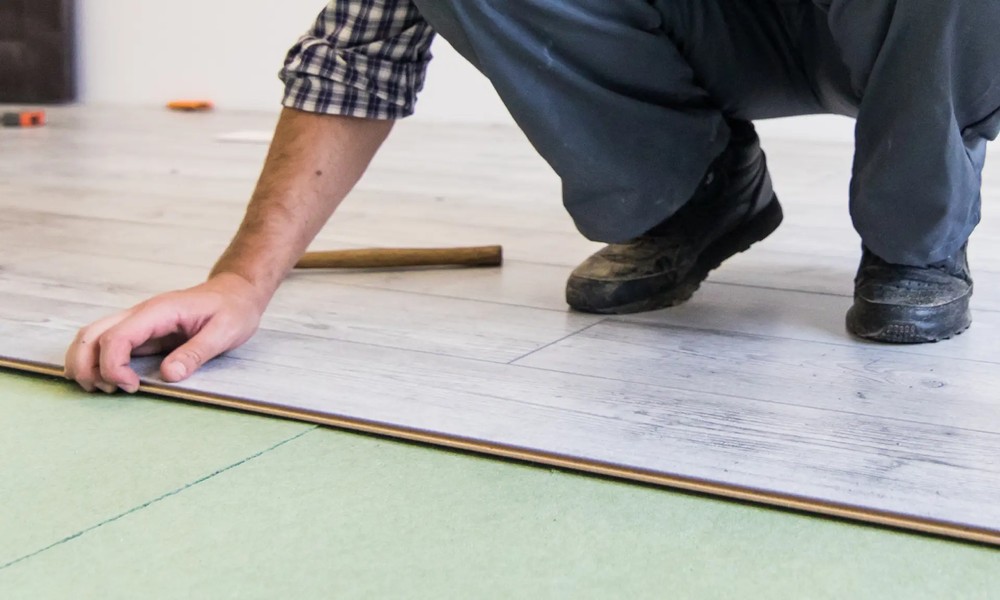
SPC vinyl floor tiles offer a winning blend of durability and visual appeal, but even seasoned DIYers can get tripped up during installation. From frustrating gaps to mysterious tile lifting, small mistakes at the start can create big headaches down the road. Fortunately, most common problems have straightforward fixes if you know what to look for.
Understanding SPC Vinyl Floor Tiles and Their Installation Requirements
SPC, or Stone Plastic Composite, vinyl flooring stands out for its rigid core construction, combining limestone powder with stabilizers for unmatched strength. This unique build makes SPC tiles waterproof and exceptionally resistant to dents, scratches, and everyday wear.
Beyond toughness, SPC tiles offer clear advantages:
– Versatile designs: Mimic wood, stone, or concrete with high-definition prints.
– Dimensional stability: Less likely to warp or expand with temperature changes.
– Easy maintenance: Stain-resistant surface wipes clean.
To achieve the flawless finish these tiles promise, you need the right toolkit on hand, measuring tape, spacers, a rubber mallet, tapping block, utility knife, and a saw for tricky cuts. Underlayment may also be required for added sound insulation or moisture control. More importantly, always review the manufacturer’s instructions, as products like Club Ceramic SPC flooring might have unique requirements for best results.
Identifying and Preventing Common Installation Issues
A beautiful SPC floor starts with a solid foundation. The number one cause of failed installations? An uneven subfloor. Even minor dips or bumps can keep tiles from locking snugly, producing visible seams or a hollow sound underfoot. Before laying a single tile, use a long level or straightedge to identify trouble spots and fill them with a suitable leveling compound.
Moisture is another stealthy enemy, especially in basements or ground floors. SPC tiles themselves are waterproof, but excess moisture from the subfloor can lead to mold growth or weaken adhesive used for certain types. Always check for moisture with a meter and install a vapor barrier if needed.
Rushing the acclimation process is a frequent mistake. SPC tiles need at least 48 hours to adjust to the room’s temperature and humidity. Skipping this step increases the risk of later warping or gaps as the tiles settle and expand.
Locking mechanisms on SPC tiles are designed to click together smoothly, but improper alignment can result in gapping or uneven surfaces. Never force planks together, if they resist, double-check for debris or misalignment.
Step-by-Step Solutions for Troubleshooting Installation Problems
When installation issues crop up, targeted fixes make all the difference.
– Gaps or uneven seams: Carefully lift the affected tiles, remove debris, and reinstall, ensuring the locking edges are perfectly engaged. If the subfloor is uneven beneath, re-level before relaying the tiles.
– Tile lifting or peaking: This problem often stems from tight installation without sufficient expansion gaps around the perimeter. Relieve the pressure by removing baseboards and trimming tiles at the edges to allow natural expansion.
– Warping or curling: Usually a result of moisture or skipping acclimation. Identify and resolve the moisture source, then replace affected tiles. Let replacements acclimate fully before reinstallation.
– Repairing damaged tiles: For click-lock systems, remove the affected tile starting from the nearest wall, then replace it and relay the rest. In glued installations, cut out the damaged section and fit in a matching replacement with adhesive.
Best Practices for Long-Term Performance and Maintenance
Even the toughest floors benefit from a little TLC. Regular sweeping and damp mopping (never soaking wet) prevent grit from scratching the surface. Avoid harsh chemicals that can dull the finish, and use felt pads under furniture to protect against dents.
Environmental factors matter, too. Direct sunlight can cause fading or expansion; use blinds or curtains to moderate exposure. Keep indoor humidity levels consistent, ideally between 40% and 60%.
If persistent issues arise, such as widespread lifting, persistent gaps, or recurring damage, it may be time to call in a professional installer. Not only can pros fix what went wrong, but their work helps maintain your warranty coverage. Always keep records of materials used and installation details, as many manufacturers require this information for warranty support.
By tackling subfloor prep, acclimation, and ongoing care with the same attention to detail, you can ensure your SPC vinyl floor tiles deliver years of comfort and beauty. And when in doubt, referencing trusted resources like Club Ceramic SPC flooring can provide additional guidance tailored to your specific product.
