

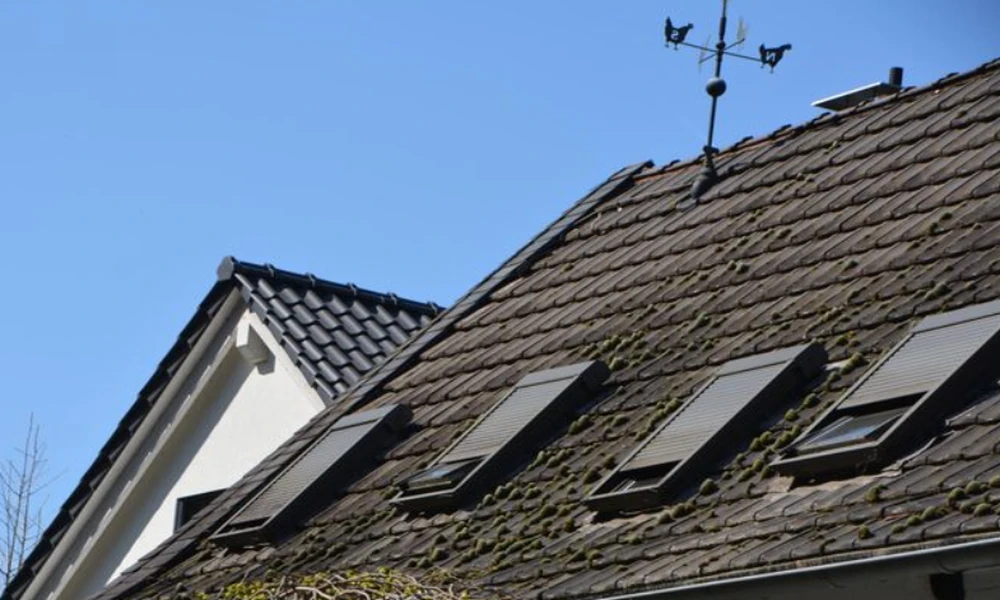
The roof appears simple when you walk by. It helps keep the weather out and peace inside. In the shingles or panels, however there’s a complete system that is quietly working each hour. Roof installation is the process of building the system from the deck upwards. Replacing the roof removes an old system and installs a new one that is compatible with the home, climate, and code. There are many different layers that control air, water and heat so that the structure is safe.
What is included in a roof installation?
The construction process begins by cleaning the deck, which is usually OSB or plywood. The fasteners are checked. Seams are in good condition. From there, the team continues to build up in a way which is important.
- Underlayment: A layer of water-shedding on top of the deck. Synthetic sheets are a common. In areas that are susceptible to storms or cold, peel-and-stick water and ice barrier shields valleys, eaves and other areas that are at risk.
- Flashing: thin, rusty metal on skylights, chimneys, vents and sidewalls. This is where roofs can live or die. Flashing on walls with step flashing or counterflashing into the masonry, and pipe boots.
- Starter courses and drip edges Metal edges direct water down the gutters. Starter strips aid in sealing the first row of shingles against the wind.
- The primary roof material is asphalt shingles, metal panel tiles shakes or a membrane that is placed on low-slope sections. Each one has its own layout and fasteners as well as rules.
- Ventilation Intake at soffits, and exhaust at box or ridge vents. A balanced airflow helps to buffer moisture and heat so that the roof will age gradually.
- Final details: the hip cap and ridge, sealing tests and a final clean-up with a magnet swab for loose nails.
If done properly, the installation appears elegant due to the neatness of the process. The lines are straight. Valleys drain. Flashing is quiet and tight.
What is the process of replacing a roof?
Replacement involves two major requirements before a new material is installed. Evaluation and tear-off.
- Evaluation: The contractor looks the deck for any softness, prior leaks, mold, as well as ventilation issues. Photos can help you understand what they find.
- Tear-off: Old layers are taken off the deck. The noise can last for a few hours. The crew is responsible for the landscape, covers attics if they are needed, and takes the debris away from the way.
- The deck repairs are: Any damaged or delaminated boards are swapped. The fasteners are replaced. The job appears much like a brand the new installation, layer by layer.
Certain homes have layers of old jobs. It is tempting to create another. In many locations, it’s not permitted, and even in those areas sometimes, it hides the problem. A clean tear-off set the stage for the next roof to be put up for an extended life.
The signs that it’s time to change
You don’t have to climb a ladder to get the most of them.
- Broken, curled or missing shingles
- Granules are piling up in the gutters
- Flashing that is loose or rusty
- Stains on ceilings and in the attic after heavy rain
- A hot or stuffy attic during mild weather, which can point to the lack of ventilation.
- A roof that is past its service lifespan even if it appears to be in good shape from the road
Repairs can save time. If the same issues occur across the field or in transitions, replacement generally makes more sense.
Materials and the best way to select
There’s no one best roof, but only the best one that matches.
- Asphalt shingles: familiar, cost-effective, wide style range. Choose wind ratings and impact that match your climate.
- Metal: long-lasting sheds snow, handles wind well, and reflects heat. It is ideal for roofs with complicated structures that are meticulously planned.
- Tiles or slate: long-lasting and sturdy. The structure must be in good condition.
- Membranes with low slopes: TPO, PVC, or modified bitumen when pitch is low.
Consider the climate, HOA rules, fire ratings, and plans for the future such as solar. Colors affect attic temperatures. Upgrades such as a better underlayment or more effective flashing will cost less than the entire task and are rewarded in terms of durability.
Cost factors, timeframe, and what you can be prepared for
The majority of homes are completed within a couple of days, depending on the weather. Larger roofs or more intricate particulars take longer. The price is determined by the roof size, material, pitch the access to wood, its replacement and local code items such as the type of underlayment or ventilation objectives. Request an estimate that includes every layer. If there are any surprises under the old roof – and they will–you’ll be able to clearly make any changes.
Why flashing and ventilation matter so significantly
Roofs are not prone to failure in open fields. They are prone to failure where planes intersect and when air stalls. The balance of intake and exhaust makes in the cooler attic and dryer. Correct flashing circulates water around corners and does not let it consider getting into. The two methods are better in terms of longevity than any one upgrading of shingles.
Basic care following installation
Keep gutters clear. Trim back overhanging branches. Check the attic after the first storm to make sure that there is no noise. Examine flashings and sealants every year or so. Small inspections can catch minor issues Small issues can be fixed easily.
The bottom line is that the roof installation is a layering system for managing weather that is based on simple physics and a careful sequence. Replacement of the roof is a way to reset this system when damage or age exceeds the repair time. If you know the layers, their order and the locations where water is known to love it is possible to judge the job in certainty and choose the materials that match your home’s environment. A sensible design at the beginning typically will result in a roof that you don’t have to consider for long.
This post was written by a professional at Baypoint Roofing. Baypoint Roofing is a State-certified, insured, bonded, and licensed roofing contractor specializing in insurance restoration, storm damage repair, and expert Roof inspection Land O Lakes FL and installations. With over 25 years of experience, we proudly serve the entire state of Florida. Whether you need a complete roof replacement or precise repairs, our skilled team delivers unmatched quality and service. Trust Baypoint Roofing to protect your home or business with solutions that endure the Florida elements and exceed your expectations. Your satisfaction is our top priority.
