

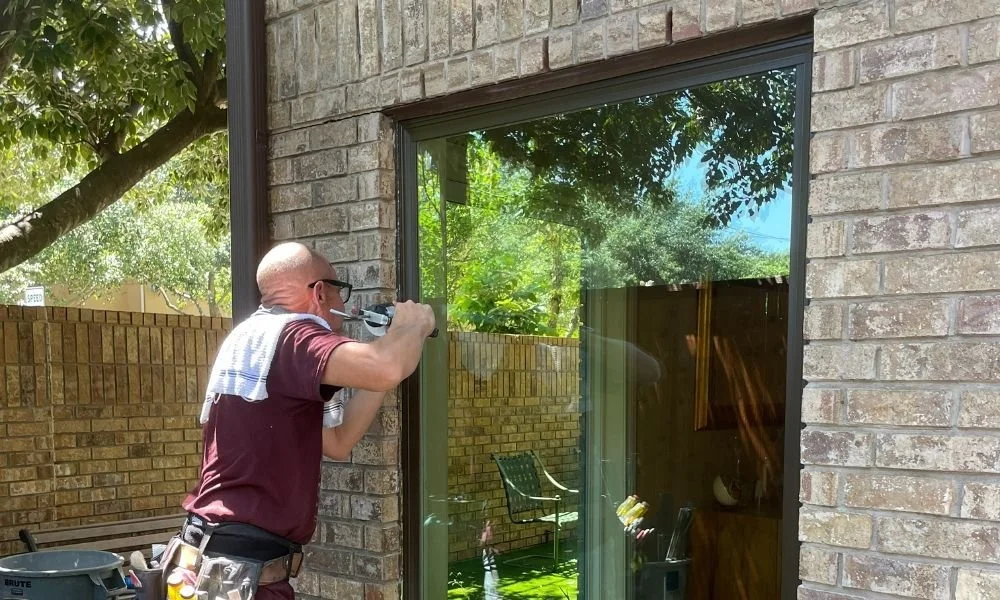
In today’s world, energy efficiency is more important than ever. With rising energy costs and increasing environmental concerns, homeowners are looking for ways to reduce their carbon footprint while saving money. One of the most effective ways to achieve this is by upgrading to energy-efficient windows. These modern windows not only enhance the aesthetic appeal of your home but also play a significant role in reducing your utility bills. In this article, we’ll explore how energy-efficient windows work, their benefits, and why they are a worthwhile investment for homeowners.
What Are Energy-Efficient Windows?
Energy-efficient windows are designed to minimize the amount of heat lost during winter and reduce heat gain during summer. This is achieved through advanced technology, such as multiple panes of glass, special coatings, and insulated frames. These windows help maintain a consistent indoor temperature, reducing the need for excessive heating or cooling.
Low-E Glass Coating: One of the primary features of energy-efficient windows is the use of low-emissivity (Low-E) glass. This coating reflects infrared light, keeping heat inside during the winter and outside during the summer. Low-E glass also protects your home from harmful UV rays, which can cause furniture and flooring to fade over time.
Multiple Panes of Glass: Unlike traditional single-pane windows, energy-efficient windows often come with double or even triple panes. The space between these panes is filled with insulating gas, such as argon or krypton, which helps reduce heat transfer.
Insulated Frames: Energy-efficient windows are also equipped with insulated frames made from materials like vinyl, fiberglass, or composite. These materials prevent heat from escaping through the window frame, ensuring that your home remains energy efficient.
Benefits of Energy-Efficient Windows
Investing in energy-efficient windows offers several key benefits, from lowering your utility bills to improving comfort and sustainability.
Reduced Utility Bills
One of the most compelling reasons to upgrade to energy-efficient windows is the potential savings on utility bills. Traditional windows can be a significant source of energy loss, forcing your heating and cooling systems to work harder. With energy-efficient windows, you can reduce energy consumption, leading to lower heating and cooling costs. According to the U.S. Department of Energy, upgrading to energy-efficient windows can save homeowners up to 12% on their energy bills annually.
Increased Comfort
Energy-efficient windows help regulate indoor temperatures by minimizing drafts and heat loss. This means that your home will stay warmer in the winter and cooler in the summer, improving overall comfort. The insulation provided by modern windows also reduces noise pollution, creating a quieter, more peaceful living environment.
Environmental Impact
By reducing your home’s energy consumption, energy-efficient windows help lower your carbon footprint. The less energy your home requires for heating and cooling, the fewer greenhouse gas emissions are produced. This makes energy-efficient windows an eco-friendly choice that contributes to environmental sustainability.
Enhanced Home Value
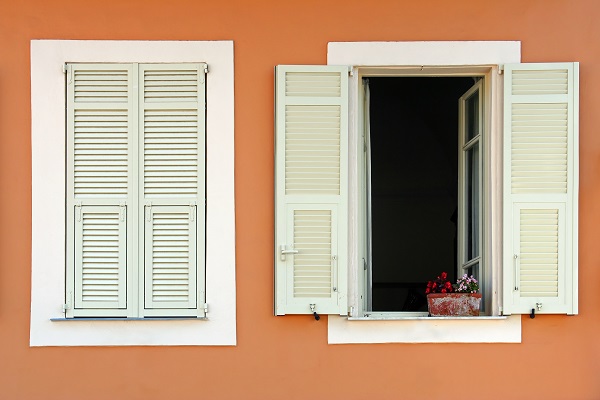
Energy-efficient windows are a smart investment that can increase the resale value of your home. Prospective buyers are increasingly interested in energy-saving features, and homes with energy-efficient windows are often viewed as more desirable. Additionally, energy-efficient windows can improve the curb appeal of your home by giving it a modern, updated look.
Protection from UV Rays
The Low-E coating on energy-efficient windows not only helps regulate temperature but also protects your home’s interior from harmful ultraviolet (UV) rays. UV rays can cause fabrics, furniture, and flooring to fade over time. By blocking a significant portion of these rays, energy-efficient windows help preserve the longevity of your home’s interior.
Types of Energy-Efficient Windows
When upgrading to energy-efficient windows, it’s important to choose the right type for your home’s needs. Below are a few of the most common types of energy-efficient windows available today.
Double and Triple-Pane Windows
Double-pane windows are the most common option for energy efficiency. They have two layers of glass with a layer of insulating gas, usually argon, in between. For even greater insulation, triple-pane windows add an additional pane of glass, providing superior energy efficiency for colder climates.
Gas-Filled Windows
Energy-efficient windows are often filled with inert gases, such as argon or krypton, between the panes. These gases are denser than air, providing better insulation and reducing the transfer of heat.
Low-E Windows
Low-E windows are coated with a special metallic layer that reflects heat while allowing light to pass through. This technology is ideal for climates that experience both hot summers and cold winters.
