

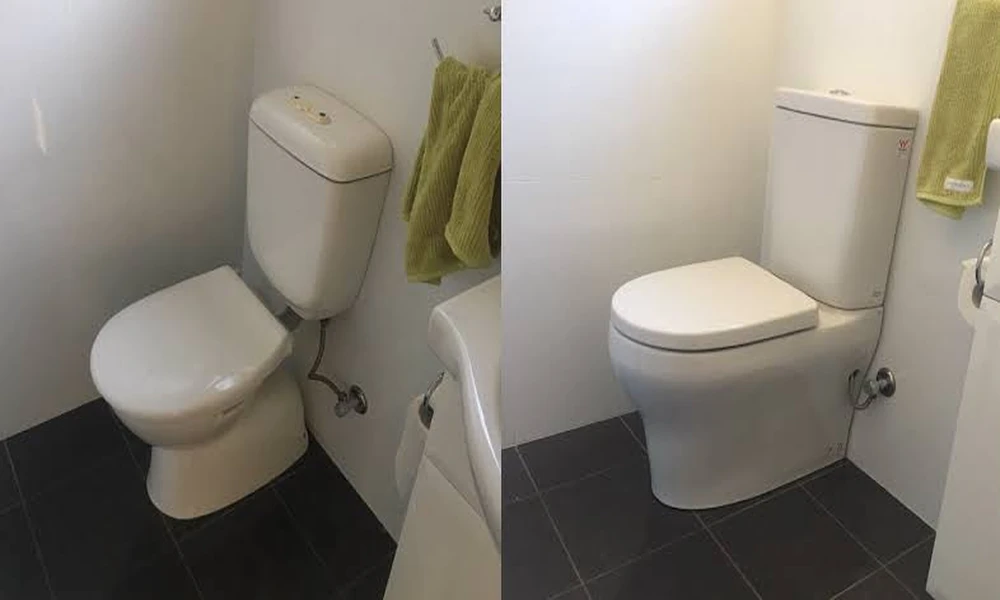
Walk into the hall bathroom of a 1970s block home in Largo or Seffner and there is a fair chance the toilet is older than some of the people using it. It still flushes and looks fine, so most owners never think about it, even though the fixture bolted to that floor and the one sitting in a showroom today behave like two very different machines.
Plumbers who work in these neighborhoods see the gap week after week. Toilet repair and new installs make up a steady share of the calls handled by Richard A. Smith Plumbing, a team that has served homes and businesses across Pinellas and Hillsborough counties since 2006. Here is the comparison homeowners usually want before deciding whether an old toilet stays or goes.
Gallons You Never See Leave the House
The biggest difference is invisible. It is the water that leaves the tank with every flush, and that number has dropped sharply over the decades.
- Many toilets installed before the 1980s used somewhere between 5 and 7 gallons per flush.
- Through the 1980s, 3.5 gallon models became the norm in new construction.
- Federal rules capped new toilets at 1.6 gallons per flush starting in 1994.
- Models carrying the EPA WaterSense label use 1.28 gallons or less and must pass an independent flush test.
- Some current bowls go lower still, landing somewhere around 0.8 to 1.1 gallons.
A family of four flushing about five times each per day goes through roughly 70 gallons daily on a 3.5 gallon toilet. Swap in a 1.28 gallon model and that figure falls to around 26 gallons. Over a year, that is about 16,000 gallons that never show up on the water bill.
Why the Early Low Flow Models Earned a Bad Reputation
Plenty of people still believe low flow toilets clog constantly, and they have a reason. When the 1.6 gallon limit arrived in the mid 1990s, many manufacturers simply put less water into bowls that were designed for much more. The result was weak flushes, double flushing, and a plunger parked permanently beside the bowl.
Modern toilets were rebuilt from the inside. Flush valves widened from the old 2 inch opening to 3 inches or more, so water drops into the bowl faster. Trapways got larger and were glazed so waste slides through instead of dragging. WaterSense models have to clear at least 350 grams of test material in a single flush to earn the label. That leaves an odd situation where a toilet from 1996 may be the weakest in the house, using more water than a new model while flushing worse.
Shape and Height Change Who Can Use It Comfortably
Most older toilets have a round front bowl and a seat about 15 inches off the floor, which is a long way down for anyone with stiff knees or a recent hip surgery.
Today the common choice is an elongated bowl at what manufacturers call comfort or chair height, usually between 17 and 19 inches. In a region with as many retirees as Pinellas County, that extra two inches matters more than any styling detail. Round bowls still suit a tight half bath since they project a couple of inches less into the room, and skirted designs that hide the trapway behind smooth sides have caught on because they are easier to clean.
Measuring Before Anything Leaves the Floor
The part of a swap that surprises people happens before the box is opened. The first number to check is the rough in, the distance from the finished wall to the center of the bolts holding the toilet down. Twelve inches is standard, but older homes sometimes have 10 or 14 inch rough ins, and buying the wrong size means either a gap behind the tank or a toilet that will not fit at all.
Then comes the flange, the ring that connects the toilet to the drain. In many older slab homes around Tampa Bay, that flange is cast iron, and decades of moisture can leave it rusted and crumbling. A toilet that rocks even slightly is often a sign the flange or the seal underneath has failed. Remodels add another wrinkle when new tile raises the floor and leaves the flange too low, something spacers, extension rings, or a waxless foam seal can fix.
The Pipe Downstream Gets a Vote
Less water per flush is rarely a problem in a newer home with smooth PVC drains. Older homes are a different story. Many houses built in the region from the 1950s through the 1970s still have cast iron drains running under the slab, and that pipe tends to scale up on the inside, crack, or develop low spots over time.
A rough cast iron line that coped with 3.5 gallons might start leaving solids behind at 1.28. If a house already has a history of slow drains or backups, a camera inspection of the main line before replacing every toilet can save a lot of frustration. Sometimes the pipe is fine. Sometimes it is the real problem the old toilet was hiding.
Parts That Wear Out Faster Than People Expect
An old toilet does not have to be replaced to start wasting water. The rubber flapper at the bottom of the tank hardens and warps over time, and many utilities in the area disinfect water with chloramine, which is known to break down rubber parts sooner.
A worn flapper can let water trickle into the bowl around the clock, sometimes adding up to hundreds of gallons a day without making much noise. A few drops of food coloring in the tank, left for fifteen minutes without flushing, will show whether color seeps into the bowl. With very old toilets, finding parts at all can be the bigger headache.
A Little Money Comes Back
Residents served by Hillsborough, Pasco, and Pinellas county utilities, along with cities such as Tampa and St. Petersburg, can apply for rebates through the regional Tampa Bay Water Wise program. A WaterSense labeled toilet can earn up to $100, and the Southwest Florida Water Management District’s toilet rebate page lists which local programs take part and how to reach them.
Read the rules before buying anything. Programs commonly ask for the receipt, proof of the WaterSense label, and sometimes approval ahead of the purchase, and funding can run out before the fiscal year ends. Homes on private wells or served by a utility outside the program will not qualify.
Keeping It or Letting It Go
A 1.6 gallon model that flushes cleanly, sits firmly, and only needs a new flapper can keep working for years. The stronger case for replacement shows up when the toilet predates 1994, when it rocks or shows cracks in the porcelain, when parts can no longer be found, or when someone in the house now struggles with a low seat. Then the new fixture pays back in water, comfort, and fewer surprise repairs, with a rebate softening the cost.
