

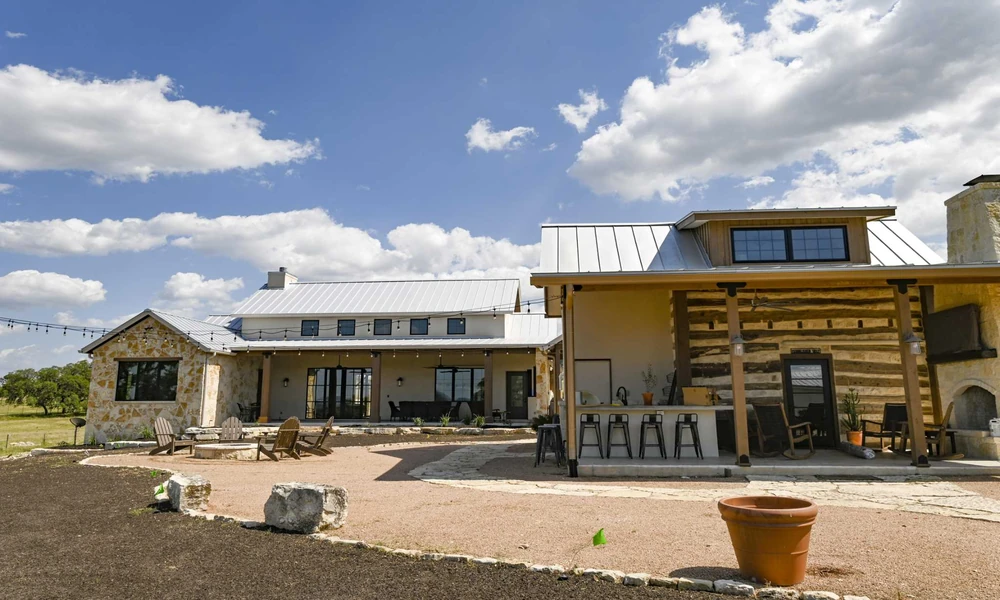
Adding a casita or accessory dwelling unit (ADU) to your Austin, Texas property can be an exciting way to create extra living space, accommodate family members, build a guest house, or add long-term value to your home. But before construction begins, there is one part of the project that is easy to overlook: the electrical system already serving your property.
A new casita is not simply another room added to your existing house. It can introduce an entirely new set of electrical demands, including heating and cooling equipment, water heating, kitchen appliances, lighting, receptacles, laundry equipment, and outdoor electrical systems. If the existing electrical infrastructure was never designed to support that additional demand, problems can surface once construction is already underway.
That is why having the main home’s electrical system inspected before starting an ADU or casita project can be a smart first step.
For Austin, Texas homeowners, an electrical inspection can reveal whether the existing electrical service, panel, wiring, grounding system, and outdoor electrical infrastructure are prepared for the additional load. It can also uncover problems that may otherwise turn into construction delays, unexpected expenses, or safety concerns.
Why Inspect the Main Home Before Building a Casita?
When homeowners think about an ADU project, they often focus on architectural plans, plumbing, foundation work, permits, insulation, and finishes. Electrical planning sometimes comes later.
That can be a mistake.
The casita will ultimately need electricity, and that electricity has to come from somewhere. In many cases, the new dwelling will be connected to the property’s existing electrical service through a properly sized feeder and subpanel. Depending on the existing system and the electrical requirements of the new structure, however, the project may require significantly more work.
An inspection of the main home can provide an early look at the property’s electrical capacity.
It may answer questions such as:
- Is the existing electrical service large enough?
- Does the main panel have sufficient capacity?
- Is the panel in good condition?
- Can a new feeder be installed safely?
- Does the property need a subpanel?
- Will the main service need to be upgraded?
- Are existing circuits already overloaded?
- Does older wiring need to be repaired or replaced?
- Are grounding and bonding systems adequate?
- Are existing outdoor circuits suitable for the construction plan?
Finding those answers before construction begins gives the homeowner and contractor an opportunity to plan appropriately.
Determining Whether Your Existing Electrical Service Can Support an ADU
One of the biggest questions during an ADU electrical project is whether the home’s existing electrical service can handle the additional demand.
A house may have a 100-amp, 150-amp, or 200-amp service, for example. But the service size alone does not tell the whole story.
Electrical capacity depends on the actual loads connected to the property and how those loads are expected to operate. A home with a 200-amp service could still have significant electrical demand already, particularly if it has electric HVAC equipment, an electric water heater, an EV charger, a pool, a hot tub, or other high-demand equipment.
Adding a casita can increase that demand substantially.
The new dwelling may have its own:
- HVAC system
- Electric water heater
- Refrigerator
- Range or cooktop
- Dishwasher
- Microwave
- Washer and dryer
- Lighting
- General-purpose receptacles
- Outdoor lighting
- Exterior receptacles
- Other specialty equipment
Rather than simply assuming that the existing service can handle everything, an electrician can evaluate the existing system and determine what the project is likely to require.
The Main Electrical Panel Should Be Evaluated Before Construction
The main electrical panel is another important part of the inspection.
Even when a panel technically has available breaker spaces, that does not automatically mean it can accommodate the electrical requirements of a new dwelling.
A Texas licensed electrician should look at the condition and configuration of the panel, existing breakers, service equipment, conductors, grounding and bonding, and available capacity.
The age and type of the equipment can matter as well. Older electrical equipment may have limitations that aren’t obvious to someone looking at the panel from the outside.
The inspection may also identify issues such as:
- Damaged or deteriorated components
- Improperly installed breakers
- Double-tapped conductors where not permitted
- Missing covers or knockouts
- Improper grounding or bonding
- Evidence of overheating
- Loose connections
- Outdated equipment
- Circuits that appear improperly configured
- Lack of room for planned expansion
Addressing these issues before the casita project gets underway is generally much easier than discovering them after walls are opened and construction crews are already working.
Load Calculations Help Determine What the Property Really Needs
A proper electrical load calculation is an important part of planning an ADU.
Instead of guessing how much electricity the property will need, the electrical requirements of the existing home and proposed casita can be evaluated together.
This includes looking at major loads in the existing home and determining what the new structure will add.
For example, imagine an Austin home that already has central air conditioning, an electric range, an electric water heater, a pool pump, and an EV charger. Adding another HVAC system, water heater, kitchen, laundry area, and lighting system could substantially change the property’s electrical requirements.
The goal is to determine whether the existing service can reasonably support the combined loads.
If it cannot, that doesn’t necessarily mean the ADU project has to stop. It may simply mean the electrical infrastructure needs to be upgraded before or as part of the project.
Don’t Overlook Existing Wiring Conditions
A casita project can also expose weaknesses in an older home’s wiring.
Austin has homes of many different ages, and electrical systems can vary considerably from one property to another. Some houses have undergone multiple renovations over the years, while others still contain portions of their original electrical installation.
An inspection can help identify wiring concerns before the new construction begins.
An electrician may look for signs of damaged wiring, improper modifications, overloaded circuits, deteriorated components, improperly installed connections, or other conditions that could create problems when the electrical system is expanded.
This is particularly important because adding a new structure is usually not the time to discover that the existing electrical system has problems that need immediate attention.
Grounding and Bonding Matter More Than Homeowners May Realize
Grounding and bonding are easy for homeowners to overlook because they aren’t as visible as light fixtures, outlets, or electrical panels.
They are nevertheless important components of a safe electrical system.
When a new casita is connected to the main home’s electrical service, the grounding and bonding arrangements need to be properly planned. The feeder, subpanel, grounding electrode system, and other components must be installed according to applicable electrical requirements.
This is one area where professional evaluation is especially valuable.
A new structure can involve more than simply running a cable from the house to the casita. The electrical system has to be designed and installed correctly from the service equipment through the feeder and into the new dwelling.
GFCI and AFCI Protection Should Be Part of the Conversation
An electrical inspection should also evaluate existing protective devices and help determine what protection will be required for the new construction.
Ground-fault circuit interrupter (GFCI) protection is particularly important in areas where electricity may come into contact with moisture, including kitchens, bathrooms, garages, exterior locations, and other applicable areas.
Arc-fault circuit interrupter (AFCI) protection is also an important consideration for many residential circuits.
The exact requirements depend on the location, circuit, equipment, and applicable code provisions. Because requirements can change and individual projects have different circumstances, homeowners should have their electrician evaluate the project rather than relying on assumptions based on an older installation.
Existing Outdoor Wiring Can Complicate an ADU Project
Before digging, pouring foundations, or installing underground utilities, homeowners should also understand what electrical infrastructure is already running across the property.
Existing outdoor electrical systems may include wiring serving:
- Landscape lighting
- Pool equipment
- Detached garages
- Workshops
- Outdoor receptacles
- Security lighting
- Gates
- Sheds
- Existing outbuildings
Underground electrical wiring can be especially important during site preparation.
If existing electrical pathways cross the proposed location of the casita, driveway, walkway, foundation, or trenching area, they may need to be identified and incorporated into the construction plan.
Discovering underground electrical complications after excavation has started can create unnecessary delays.
Will You Need a Subpanel?
Many casita projects will involve a subpanel at the new dwelling.
A subpanel can provide a convenient way to distribute electricity throughout the casita while keeping the circuits organized and allowing the structure to have its own breakers.
However, the decision to install a subpanel should be based on the actual design and electrical requirements of the project.
The feeder supplying the subpanel must be appropriately sized, and the electrical service at the main home must be capable of supporting the additional load.
In some cases, the existing service may be sufficient for a properly designed feeder and subpanel.
In other situations, a service upgrade or electrical panel upgrade may be necessary.
That is why it is better to determine this before construction rather than after the casita is already framed.
Planning the Casita’s Electrical Circuits Early
One of the biggest benefits of inspecting the electrical system early is that it allows the electrical plan to be developed alongside the architectural and construction plans.
A casita may need dedicated circuits for major appliances and equipment.
Depending on the design, that could include circuits for:
- Heating and air conditioning
- Water heating
- Kitchen appliances
- Refrigerator
- Range or cooktop
- Dishwasher
- Microwave
- Washer and dryer
- Bathroom receptacles
- Interior lighting
- Exterior lighting
- General-purpose receptacles
- Outdoor equipment
Thinking about these requirements before construction begins can help prevent the common problem of trying to fit electrical needs into a building that was not properly planned for them.
It also gives the homeowner a chance to think about future needs.
For example, if the casita might eventually have an EV charger, workshop equipment, or additional outdoor features, it may make sense to discuss those possibilities with the electrician during the initial planning process.
Can a Handy Homeowner Do the Electrical Installation?
This is an important question for homeowners who enjoy DIY projects.
There are certainly many home improvement projects that a capable handy person can handle. Electrical work associated with a new dwelling, however, is a different category of project.
A casita involves service capacity, load calculations, feeders, panels, grounding and bonding, branch circuits, protective devices, equipment connections, and potentially underground electrical work. Mistakes can create serious safety hazards and can also result in failed inspections or expensive rework.
Texas electrical licensing and local permitting requirements also need to be considered.
For major electrical work associated with an ADU or new construction, homeowners should work with a qualified, properly licensed electrical professional who understands the applicable requirements in the Austin area.
Trying to save money by handling complex electrical installation yourself can potentially cost more if the work has to be corrected later.
A professional electrician can also coordinate with the builder and other contractors so the electrical system is installed in the right sequence.
An Electrical Inspection Can Prevent Expensive Construction Delays
One of the strongest reasons to inspect the main home before building a casita is simple: problems are cheaper and easier to address when they are discovered early.
Imagine starting construction and then discovering that the existing panel cannot support the planned loads.
Now the homeowner may need to redesign portions of the electrical system, change equipment, upgrade the service, revise the feeder, coordinate with the utility, or adjust construction schedules.
Those changes can affect more than the electrical contractor.
They can impact framing, drywall, trenching, equipment installation, inspections, and the overall project timeline.
An electrical inspection before construction gives everyone a better opportunity to identify potential obstacles while changes are still relatively easy to make.
Why Austin Homeowners Should Think About the Entire Property
An ADU doesn’t exist electrically in isolation.
It becomes another part of the property’s overall electrical system.
That means the existing home, new casita, detached structures, outdoor equipment, underground wiring, and future electrical loads all need to be considered together.
For homeowners planning a casita in Austin, that broader perspective can make a major difference.
The goal isn’t simply to get electricity into the new building. The goal is to create an electrical system that is appropriately planned, safe, functional, and capable of supporting the property’s needs.
That starts with understanding what is already there.
Plan Your Casita Electrical System Before Construction Begins
Adding an ADU can be one of the most valuable improvements you make to an Austin property, but the electrical portion deserves careful planning.
Before construction begins, an inspection can help determine whether the existing electrical service is ready for the additional dwelling, whether the main panel needs attention, whether a subpanel makes sense, and whether a service or panel upgrade should be included in the project.
It can also uncover existing wiring problems, grounding concerns, outdoor electrical issues, and other conditions that could otherwise become costly surprises.
For homeowners searching for electrical inspection Austin TX, the most useful inspection isn’t simply a checklist of what is currently working inside the house. When you’re planning an ADU, it should also help answer a much bigger question: Is the property’s electrical infrastructure ready for what’s coming next?
Homeowners in Austin, Texas can work with Tejas Electric for reliable home electrical inspection services. The company can help homeowners understand the condition of their existing electrical system and identify potential electrical needs before a major renovation or new construction project gets underway.
Tejas Electric can also help homeowners evaluate electrical panel upgrades, subpanel requirements, wiring concerns, and other electrical considerations that may become part of an ADU or casita project.
Make Electrical Planning Part of Your ADU Plan
A casita project involves dozens of decisions, and electrical planning shouldn’t be left until the last minute.
Before breaking ground, have the existing electrical system evaluated. Determine the property’s available capacity. Review the main panel. Consider the combined electrical load of the home and casita. Identify existing underground and outdoor wiring. Plan circuits for major equipment. And address electrical problems before they interfere with construction.
Most importantly, don’t assume that because the main home has electricity today, it automatically has enough capacity for another dwelling tomorrow.
A little planning before construction can help prevent much bigger problems later.
For an Austin, Texas homeowner, the best time to find out whether the electrical system can support a new casita is before the casita is built.
