


Choosing the right cladding material for your home is crucial not only for protecting the structure from weather elements but also for enhancing its aesthetic appeal. Cladding serves as an exterior layer that shields your home from moisture, wind, and heat while also improving insulation and energy efficiency. With so many options available today, selecting the best cladding material can seem overwhelming. In this article, we’ll explore some of the top cladding materials that offer both protection and beauty for your home.
What to Consider When Choosing Cladding Materials
Before diving into specific materials, it’s important to consider a few factors when choosing cladding for your home:
Durability
The primary function of cladding is to protect your home from external elements. Look for materials that are weather-resistant and can withstand local climate conditions.
Aesthetic Appeal
Cladding plays a significant role in the overall appearance of your home. Choose materials that match your design preferences, whether you want a modern, rustic, or traditional look.
Maintenance
Some cladding materials require regular upkeep, while others are virtually maintenance-free. Consider how much time and effort you’re willing to invest in maintaining the cladding.
Energy Efficiency
Cladding can improve your home’s energy efficiency by providing better insulation. Materials with high thermal performance will help keep your home warm in the winter and cool in the summer.
Top Cladding Materials for Homes
Brick Cladding
Brick cladding is one of the most traditional and durable materials available. Known for its strength and resistance to harsh weather, brick cladding can last for decades with minimal maintenance. It offers a timeless, classic look and is available in a variety of colors and textures, allowing for versatility in design.
Advantages:
- Extremely durable and low maintenance
- Fire-resistant and weatherproof
- Enhances the thermal insulation of your home
Best for: Traditional and contemporary homes
Vinyl Cladding
Vinyl cladding is a popular choice due to its affordability and low maintenance. It’s lightweight, easy to install, and available in a wide range of colors and styles. Vinyl cladding is also resistant to pests and mold, making it a practical choice for homeowners looking for a cost-effective solution.
Advantages:
- Cost-effective and low-maintenance
- Resistant to fading, cracking, and warping
- Available in numerous color options
Best for: Budget-friendly and low-maintenance projects
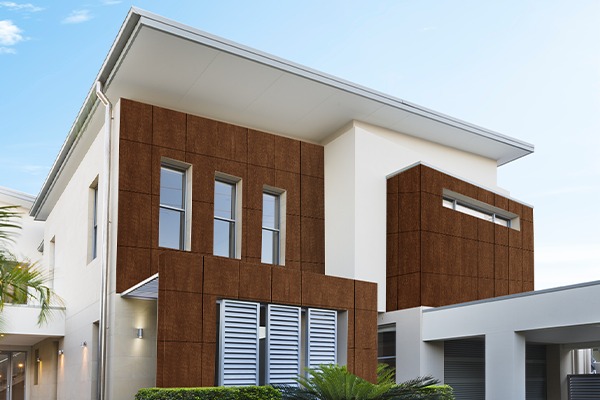
Wood Cladding
For homeowners seeking a natural and rustic look, wood cladding is an excellent choice. Woods like cedar, redwood, and pine are commonly used for cladding because of their durability and aesthetic appeal. Wood cladding adds warmth and texture to a home, but it does require regular maintenance, such as sealing or painting, to protect it from moisture and pests.
Advantages:
- Provides a natural, warm look
- Can be stained or painted to match any design
- Environmentally friendly and sustainable
Best for: Rustic, traditional, or eco-friendly homes
Fiber Cement Cladding
Fiber cement cladding combines the best of durability and aesthetics. Made from a mixture of cement, sand, and cellulose fibers, this material is highly resistant to fire, moisture, and insects. It mimics the look of wood, stucco, or stone but requires far less maintenance. Fiber cement cladding is also available in a variety of colors and textures, making it a versatile option for different architectural styles.
Advantages:
- Resistant to fire, moisture, and pests
- Low maintenance with a long lifespan
- Versatile in design, mimicking other materials
Best for: Modern and low-maintenance homes
Stone Cladding
Stone cladding offers a luxurious and timeless look that adds a sense of permanence and sophistication to any home. Natural stone, such as granite, limestone, or slate, can be used to cover the exterior walls. While stone is one of the more expensive cladding options, its durability and visual appeal make it a worthwhile investment.
Advantages:
- High durability and weather resistance
- Timeless and luxurious aesthetic
- Requires minimal maintenance
Best for: High-end or traditional homes
Metal Cladding
Metal cladding, often made from steel or aluminum, is known for its sleek, modern appearance. It’s lightweight, durable, and can be treated to resist rust and corrosion. Metal cladding is ideal for homes with a contemporary design and can be used for entire exteriors or accent features.
Advantages:
- Modern and sleek aesthetic
- Highly durable and weather-resistant
- Can be recycled, making it eco-friendly
Best for: Contemporary and industrial-style homes
Conclusion
Choosing the right cladding material for your home involves balancing durability, aesthetics, and maintenance needs. Whether you prefer the classic appeal of brick, the natural beauty of wood, or the modern sleekness of metal, there’s a cladding material that will suit your style while protecting your home from the elements. By considering your home’s specific requirements and climate, you can make an informed choice that enhances both the appearance and performance of your home.
