

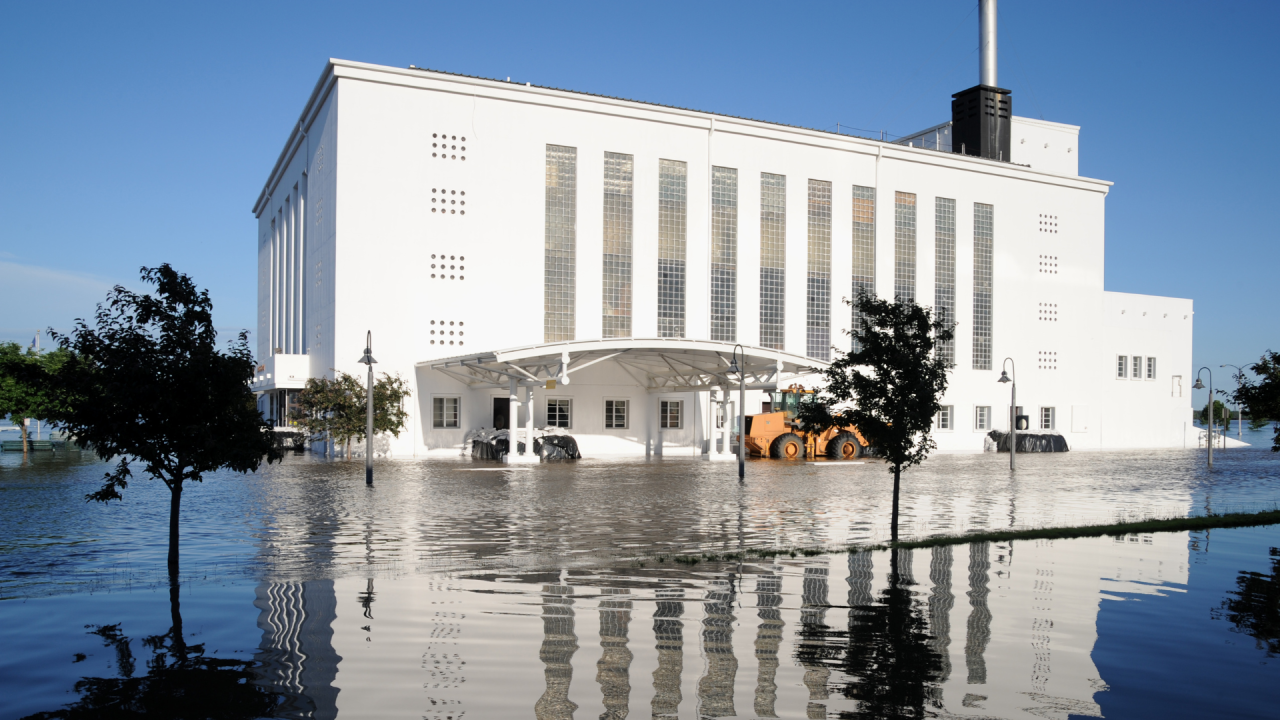
After a commercial flood, one of the biggest concerns for business owners is whether it will happen again. Repeat flooding causes repeated downtime, rising repair costs, and growing frustration for employees and customers. Preventing future flood events requires understanding why the flooding happened and taking proactive steps to reduce risk.
Identify the Original Cause of the Flooding
Preventing repeat flooding starts with identifying the source of the original incident. Flooding may come from external causes such as heavy rainfall, poor drainage, or rising groundwater. It can also come from internal issues like plumbing failures, roof leaks, sprinkler malfunctions, or HVAC problems.
Without identifying the true cause, repairs may only address the symptoms. Professional inspections help determine whether the issue was structural, mechanical, or environmental, allowing businesses to focus on the right solutions.
Improve Drainage and Water Flow Around the Building
Poor drainage is one of the most common causes of repeat flooding. Water that pools near foundations increases pressure on walls and raises the risk of water intrusion. Businesses should ensure that exterior drainage systems move water away from the building efficiently.
This may include clearing storm drains, repairing downspouts, improving grading, or installing additional drainage features. Parking lots, loading docks, and entryways should also be evaluated, as these areas often direct water toward the building during storms.
Address Roofing and Structural Vulnerabilities
Roof-related issues are another major contributor to repeat flooding. Flat commercial roofs can collect water if drains are clogged or membranes are damaged. Small leaks that go unnoticed during dry weather can lead to major water intrusion during storms.
Regular roof inspections help identify weak spots before they fail. Repairing flashing, sealing penetrations, and maintaining roof drains reduces the risk of future leaks and interior flooding.
Upgrade Plumbing and Building Systems
Aging plumbing systems increase the risk of repeat flooding. Corroded pipes, failing valves, and worn connections can rupture without warning. Businesses should consider proactive upgrades if plumbing systems are outdated or have a history of issues.
Sprinkler systems and HVAC components should also be inspected regularly. Freezing conditions, mechanical wear, or accidental damage can cause system failures that result in flooding.
Install Flood Prevention Equipment
Many commercial properties benefit from installing flood prevention tools. Backflow prevention valves stop sewer backups from entering the building. Sump pumps help control groundwater intrusion in basements and lower levels.
Flood barriers or shields can be installed at doors and loading docks to block water during heavy rain. While these tools may not stop all flooding, they significantly reduce damage during repeat events.
“Repeat flooding is usually preventable when businesses address the root causes instead of just cleaning up afterward,” says Justin Milton of Disaster Restoration Pros. “Taking proactive steps after the first flood protects the property and reduces future downtime.”
Update Emergency and Maintenance Plans
Preventing repeat flooding also involves better planning. Emergency response plans should be updated based on lessons learned from the initial flood. Maintenance schedules should be reviewed to ensure drains, roofs, and systems are checked regularly.
Employees should be trained to report leaks or drainage issues early. Quick reporting allows small problems to be fixed before they turn into flooding events.
Review Insurance and Risk Management Strategies
After flooding, businesses should review insurance coverage and risk management strategies. If the property experienced flood damage from external water, flood insurance may be worth adding or increasing.
Risk assessments help identify vulnerabilities that insurers and restoration professionals often see. Addressing these risks protects both the business and its financial stability.
Monitor Conditions During Heavy Weather
Businesses should stay alert during heavy rain, snowmelt, or storms. Monitoring vulnerable areas allows quick response if water begins entering the building. Early action can prevent minor water intrusion from becoming a major flood.
Remote monitoring tools, alarms, and moisture sensors can provide early warnings, especially in large or unmanned facilities.
Long-Term Protection Starts After the First Flood
The best time to prevent repeat flooding is immediately after the first incident. Businesses that take action right away are less likely to experience future damage. Prevention protects employees, customers, and operations while reducing stress and repair costs.
