

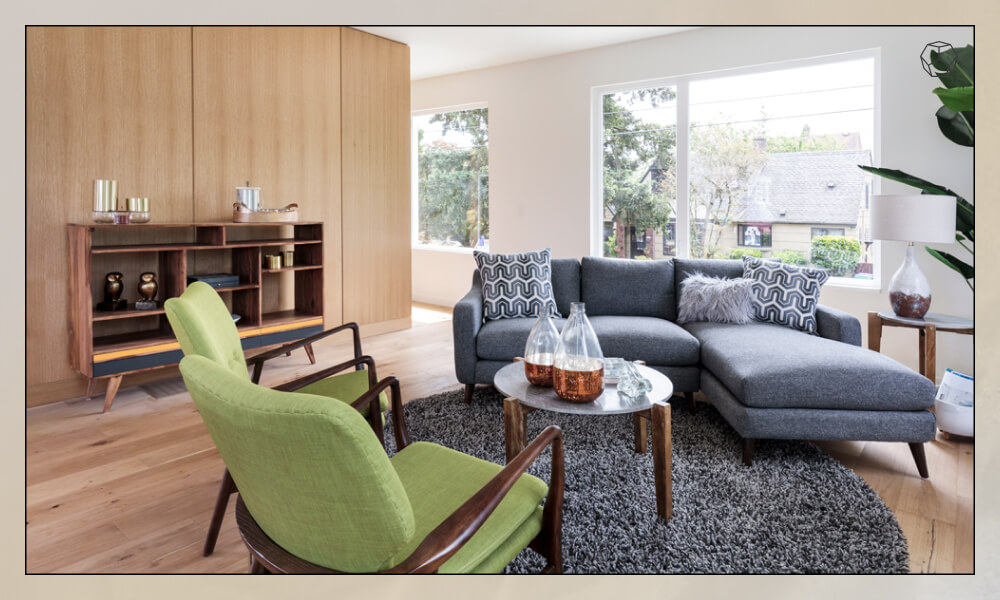
Mid-century modern design has become a timeless trend, beloved for its clean lines, functional forms, and iconic furniture pieces. Originally popularized in the mid-20th century, this design style has experienced a resurgence in recent years due to its versatility and ability to seamlessly blend with modern interiors. If you’re looking to update your space with a fresh yet classic look, incorporating mid-century modern pieces can be a perfect solution. In this article, we’ll explore how you can use these design elements to create a stylish, contemporary space with a touch of nostalgia.
Incorporate Iconic Furniture Pieces
One of the easiest ways to embrace mid-century modern design is by adding iconic furniture pieces that define the era. Think simple, functional, and elegant furniture that exudes both style and practicality.
Eames Lounge Chair: This classic piece is the epitome of mid-century modern design. With its luxurious leather upholstery and molded plywood frame, the Eames Lounge Chair adds sophistication and comfort to any living room. Pair it with a matching ottoman for a stylish and comfortable seating area.
Tulip Table: Designed by Eero Saarinen, the Tulip Table is another iconic mid-century modern piece. Its sleek, pedestal base creates a clean and uncluttered look, making it perfect for dining rooms or breakfast nooks. The table’s minimalist design allows it to blend effortlessly with modern or eclectic decor.
Wegner Wishbone Chair: Known for its organic form and elegant structure, the Wishbone Chair by Hans Wegner is a timeless addition to any dining or living area. The chair’s simple, yet artistic design works well in both traditional and contemporary spaces.
Use Natural Materials and Organic Forms
Mid-century modern design is rooted in the use of natural materials and organic shapes that bring a sense of warmth and connection to the outdoors. Incorporating these elements can help balance sleek, modern interiors with inviting textures and tones.
Wood: Wood, particularly walnut, teak, and oak, plays a significant role in mid-century modern design. Look for furniture and accents that showcase the natural grain of the wood, such as a solid wood coffee table or a walnut sideboard. These materials add warmth and depth to a room while maintaining a minimalist aesthetic.
Curved Furniture: Organic shapes are a hallmark of mid-century modern design. Opt for furniture with soft, rounded edges, such as a curved sofa or a kidney-shaped coffee table. These pieces add movement and fluidity to a space, breaking up the sharp lines often found in contemporary interiors.
Textiles: Incorporate natural textiles like leather, wool, and linen to add texture and comfort. A leather accent chair or a wool throw can introduce a tactile element to your room while keeping in line with mid-century modern’s focus on simplicity and quality.
Balance Bold Colors with Neutrals
Mid-century modern design embraces bold colors but often pairs them with neutral tones to create a balanced, cohesive look. To update your space using mid-century modern elements, consider introducing color in strategic ways.
Accent Walls and Furniture: One way to bring mid-century modern flair into your space is by using bold colors like mustard yellow, teal, or burnt orange in accent walls, throw pillows, or rugs. These pops of color can serve as focal points while the rest of the room remains neutral and understated.
Neutral Base: Keep the foundation of the room neutral by using shades like white, beige, or soft grays. Neutral tones allow the bolder, more colorful mid-century modern pieces to stand out without overwhelming the space. This approach also creates a calm, serene environment, perfect for modern living.
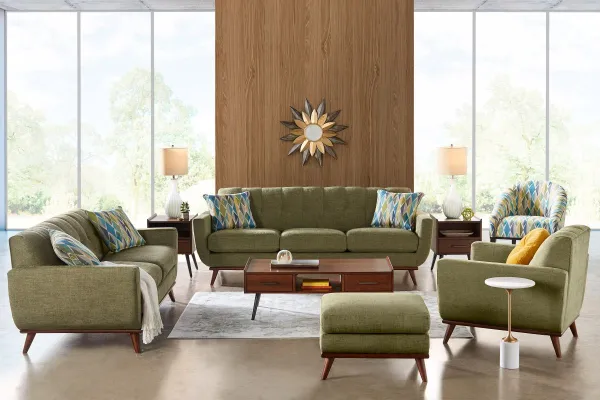
Layer Lighting for Function and Style
Lighting is a key component of mid-century modern design, with an emphasis on both form and function. Incorporating a variety of lighting sources can enhance the aesthetic while making your space more practical and inviting.
Sputnik Chandeliers: These starburst-shaped light fixtures are a quintessential mid-century modern element. The Sputnik chandelier’s geometric design adds drama and elegance to dining rooms or entryways, serving as both a functional light source and a statement piece.
Arched Floor Lamps: Arched floor lamps, such as the famous Arco Lamp, provide both illumination and visual interest. Their sweeping lines and adjustable arms make them ideal for living rooms or reading nooks, combining functionality with mid-century modern design.
Table Lamps with Sculptural Bases: Consider placing table lamps with sculptural, organic-shaped bases on side tables or consoles. These lamps bring in an additional layer of lighting while enhancing the mid-century modern aesthetic.
Mix Mid-Century Modern with Contemporary Elements
One of the best aspects of mid-century modern design is its versatility. It can be easily mixed with other design styles to create a space that feels current while paying homage to the past. Consider blending mid-century modern pieces with contemporary decor for a balanced, modern look.
Mixing Textures: Pair sleek, mid-century modern furniture with contemporary pieces that introduce new textures, such as a marble coffee table or a glass dining table. This contrast creates visual depth and keeps the space from feeling overly retro.
Layering Rugs and Accessories: Add a contemporary touch with layered rugs, modern art, or metallic accessories. These elements help to ground mid-century modern pieces, ensuring your space feels dynamic and updated.
