

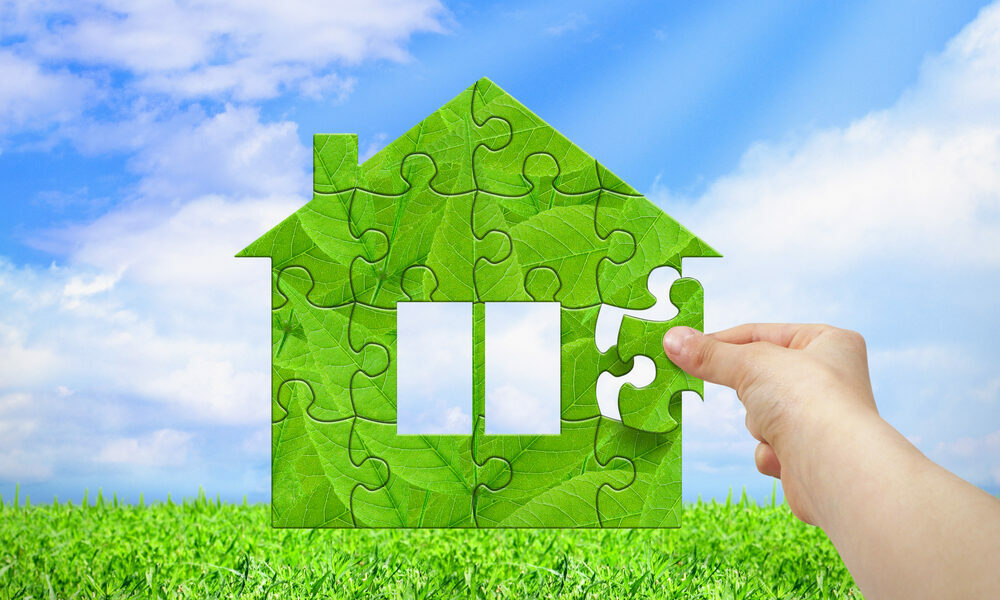
As the push for environmental sustainability continues to grow, more homeowners are looking for ways to make their homes greener and more energy-efficient. Smart home technology is making this easier by providing innovative systems that not only improve comfort but also reduce energy consumption. By integrating energy-efficient smart systems into your home, you can minimize your carbon footprint while saving on utility bills. In this article, we’ll explore how smart systems can transform your home into an eco-friendly haven.
Smart Thermostats: Optimizing Climate Control
Heating and cooling account for a significant portion of energy use in most homes. Smart thermostats offer an intelligent solution to help reduce this consumption by learning your habits and adjusting temperatures accordingly.
Popular Choices:
- Nest Learning Thermostat: This smart thermostat adapts to your schedule, adjusting temperatures when you’re home and turning down the heat or air conditioning when you’re away. It also provides energy reports and savings tips, making it easy to monitor and reduce your energy consumption.
- Ecobee Smart Thermostat: With built-in sensors and remote access, the Ecobee thermostat ensures that the temperature is optimized for comfort and efficiency in every room. It also integrates with smart assistants, making it convenient to control via voice commands.
By using a smart thermostat, you can cut down on heating and cooling costs by up to 10-12% annually, helping create a more energy-efficient home.
Smart Lighting: Reducing Energy Waste
Lighting is another area where smart systems can significantly improve energy efficiency. Smart lighting allows you to automate and control lights remotely, ensuring that they are only in use when needed.
Key Features of Smart Lighting:
- Automated Scheduling: Set lights to turn on and off at specific times, reducing the chances of lights being left on when not in use.
- Dimming and Motion Detection: Smart bulbs like Philips Hue and LIFX offer dimming options and motion sensors, adjusting brightness according to activity in the room, which further reduces electricity usage.
- Energy Monitoring: Some smart lighting systems provide real-time data on energy consumption, allowing you to track and optimize usage.
Switching to smart lighting can lower electricity bills by reducing unnecessary energy consumption, contributing to a greener home.
Smart Power Strips: Managing Standby Power
Many electronics continue to consume power even when turned off, often referred to as “phantom” or “vampire” power. Smart power strips help eliminate this issue by cutting off electricity to devices that are not in use.
Benefits of Smart Power Strips:
- Automatic Shutoff: Smart power strips detect when a device is in standby mode and automatically shut off power, preventing energy waste.
- Control via App: These strips can also be controlled through a smartphone app, allowing you to manage power usage remotely and turn off devices that may have been left on.
Using smart power strips can save an average of 5-10% on your monthly electricity bill by eliminating unnecessary power usage.
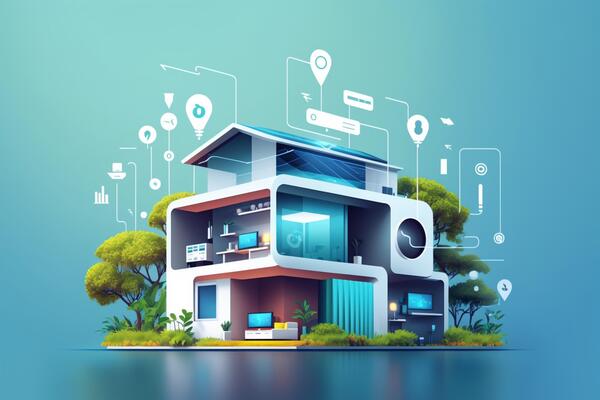
Smart Appliances: Energy-Efficient Kitchen and Laundry Solutions
Smart appliances are designed to use energy more efficiently than traditional models. From smart refrigerators to washing machines, these appliances adjust their settings based on usage patterns, ensuring that energy is not wasted.
Examples of Energy-Efficient Smart Appliances:
- Smart Refrigerators: Models like the Samsung Family Hub refrigerator offer features such as energy-saving modes and the ability to monitor internal temperature remotely, ensuring that the appliance runs efficiently at all times.
- Smart Washing Machines: Machines like the LG Smart ThinQ washing machine use sensors to determine the size of the laundry load and adjust water and energy usage accordingly, reducing overall consumption.
Investing in smart appliances helps reduce water and energy waste while maintaining convenience and ease of use.
Smart Irrigation Systems: Water Conservation for a Greener Lawn
Smart irrigation systems are an excellent way to conserve water while maintaining a healthy garden or lawn. These systems automatically adjust watering schedules based on weather conditions, ensuring that water is used efficiently.
Key Features of Smart Irrigation Systems:
- Weather-Based Adjustments: Systems like the Rachio Smart Sprinkler monitor local weather conditions and skip watering sessions when rain is expected.
- Customizable Schedules: You can customize watering schedules and monitor water usage through an app, allowing you to adapt your irrigation to your garden’s specific needs without wasting water.
By using a smart irrigation system, homeowners can reduce water usage by up to 50%, contributing to both water conservation and a lower utility bill.
Solar-Powered Smart Systems: Harnessing Renewable Energy
For homeowners looking to take their energy efficiency efforts to the next level, integrating solar-powered smart systems can make a significant difference. Many smart devices, such as outdoor lighting and security cameras, can be powered by solar energy, reducing reliance on grid electricity.
Solar-Powered Solutions:
- Solar-Powered Security Cameras: Devices like the Ring Solar Security Camera use solar panels to recharge their batteries, providing 24/7 security without the need for a traditional power source.
- Solar-Powered Outdoor Lights: Solar-powered smart lights are a great way to illuminate outdoor spaces while conserving energy. These lights automatically charge during the day and turn on at night, using energy-efficient LEDs.
Solar-powered smart systems offer an eco-friendly alternative to traditional powered devices, helping homeowners take advantage of renewable energy while reducing their environmental impact.
