

Riverside County homeowners need to understand the real venomous spider threats in their area rather than fall victim to widespread misinformation. Despite popular belief, brown recluse spiders do not establish populations in California. However, black widow spiders thrive throughout Riverside County and pose genuine health risks to residents, while desert recluse spiders may inhabit the county’s southeastern desert regions. Knowing how to identify these dangerous spiders, understanding when professional removal is necessary, and recognizing proper first aid procedures can protect your family from potentially serious medical complications.
The Black Widow Spider: Riverside County’s Most Common Venomous Threat
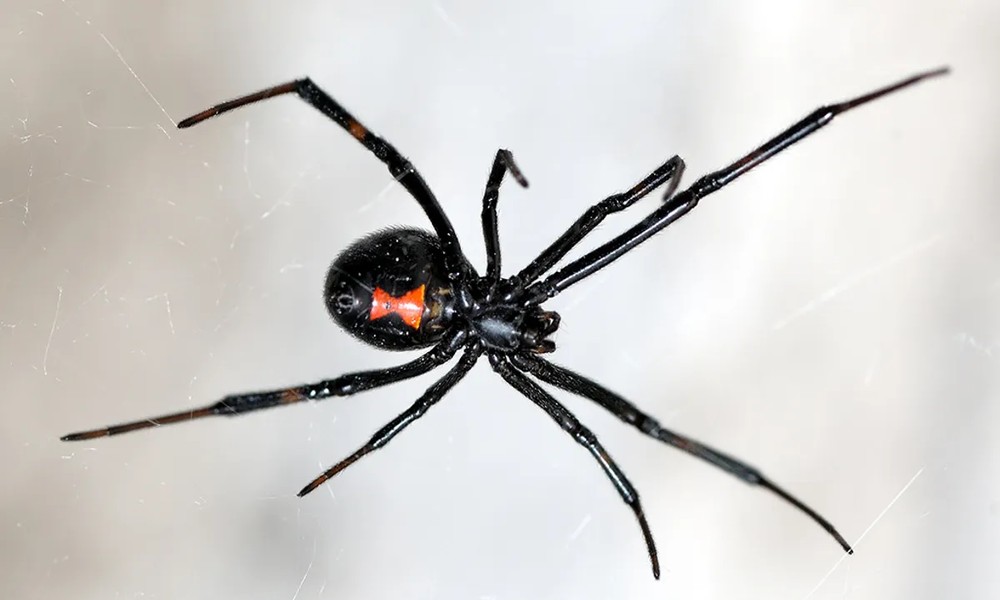
Black widow spiders represent the most significant venomous spider danger throughout Riverside County. The western black widow, scientifically known as Latrodectus hesperus, flourishes in Southern California’s warm climate and establishes populations in virtually every neighborhood. These spiders are easily recognizable by their shiny black bodies and distinctive red hourglass marking on the underside of their rounded abdomen. Female black widows measure approximately half an inch in body length with legs that can span up to two inches, while males are significantly smaller and rarely bite humans.
Black widows prefer dark, undisturbed locations where they can build irregular, tangled webs. Common hiding spots around Riverside County homes include garages, storage sheds, woodpiles, outdoor furniture, barbecue grills, water meter boxes, decorative rock piles, dense vegetation near foundations, crawl spaces, and areas beneath decks or patios. These spiders are not aggressive and bite only when threatened or accidentally pressed against human skin. Most bites occur when people reach into dark spaces without looking or when putting on clothing or shoes where spiders have taken shelter.
Understanding Black Widow Venom and Symptoms
Black widow venom contains a neurotoxin called latrotoxin that affects the nervous system and causes a condition known as latrodectism. Unlike many spider bites that cause only localized pain and swelling, black widow envenomation produces systemic symptoms throughout the body. The initial bite often feels like a pinprick and may go unnoticed. Within 30 to 60 minutes, symptoms begin to develop and can include intense muscle pain and cramping, particularly in the abdomen, back, and chest. Patients commonly experience severe abdominal rigidity that mimics appendicitis or other acute abdominal conditions.
Additional symptoms may include excessive sweating, nausea and vomiting, headaches, elevated blood pressure, rapid heart rate, difficulty breathing, tremors and muscle spasms, and anxiety or restlessness. Young children, elderly individuals, pregnant women, and people with compromised immune systems or heart conditions face the highest risk of severe reactions. While fatalities from black widow bites are extremely rare in modern times due to medical intervention, the venom can cause significant distress and requires proper medical evaluation.
Desert Recluse Spiders: A Lesser-Known Riverside County Concern
The desert recluse spider, Loxosceles deserta, inhabits the extreme southeastern desert regions of Riverside County near the Arizona border. This species is a true California resident, unlike the brown recluse which does not establish populations anywhere in the state despite persistent myths to the contrary. Desert recluse spiders closely resemble their brown recluse cousins and possess similarly potent venom capable of causing necrotic skin lesions.
Desert recluse spiders are tan to brown in color with a darker violin-shaped marking on the top of their cephalothorax, though this marking can be faint or absent in some individuals. The most reliable identifying feature is their eye arrangement, with six eyes positioned in three pairs rather than the eight eyes found in most spider species. These spiders measure approximately one-quarter to three-quarters of an inch in body length. They prefer dry, desert environments and seek shelter under rocks, in crevices, and within human structures in desert communities. Like black widows, desert recluse spiders are not aggressive and bite only when trapped or threatened.
Proper First Aid for Venomous Spider Bites
If you suspect a black widow or desert recluse spider has bitten you or a family member, immediate and appropriate first aid followed by professional medical evaluation is essential. First, move away from the area where the bite occurred to prevent additional bites. Try to safely capture or photograph the spider for identification purposes, but never put yourself at risk to do so. Clean the bite area gently with soap and water to reduce infection risk. Apply a cold compress or ice pack wrapped in cloth to the bite site to reduce pain and slow venom absorption, applying for 10 minutes on and 10 minutes off.
Keep the affected area elevated if possible and remain as calm and still as practical to slow venom circulation. Remove any tight clothing, jewelry, or accessories near the bite site before swelling develops. Seek immediate medical attention, especially for children, elderly individuals, pregnant women, or anyone with underlying health conditions. Do not apply tourniquets, cut the bite area, attempt to suck out venom, or use heat on the wound, as these interventions can cause additional harm. Medical professionals can administer antivenin for black widow bites and provide supportive care for both species’ envenomations.
Why Professional Spider Removal Matters
Many homeowners attempt to manage venomous spider populations using over-the-counter pesticide sprays with limited success. Black widows and desert recluse spiders hide in areas that are difficult to access and treat effectively without proper equipment and expertise. Professional pest control services provide comprehensive spider management that addresses current populations and prevents future infestations. Technicians identify all spider hiding locations, including those homeowners typically overlook, and apply targeted treatments that eliminate spiders while minimizing exposure to people and pets.
Professional services also implement exclusion strategies that prevent spiders from entering your home, including sealing cracks and gaps, installing door sweeps, repairing damaged screens, and removing vegetation that provides spider habitat near your foundation. Regular professional treatments create protective barriers around your property that significantly reduce spider populations. Attempting to remove black widow or desert recluse spiders yourself puts you at unnecessary risk of bites, especially when dealing with heavy infestations or spiders in difficult-to-reach locations.
Protecting Your Riverside County Home
Prevention is your best defense against dangerous spider encounters. Reduce clutter in garages, storage areas, and outdoor spaces where spiders establish themselves. Shake out clothing, shoes, towels, and bedding before use, especially items stored in garages or closets. Wear gloves when working in areas where spiders might hide, including gardening, moving firewood, or cleaning storage spaces. Keep outdoor lights off when not needed, as lights attract insects that serve as spider food sources. Store firewood away from your home’s exterior and elevate it off the ground.
If you discover black widows or suspect desert recluse spiders on your property, contact Lake Elsinore Pest Control for professional assessment and treatment. Expert technicians provide safe, effective spider elimination services that protect your family while addressing the root causes of spider infestations in your Riverside County home.
